


You’ve watched the chaos. Multiple managers in one season. A squad younger than most sixth-form colleges. And now, in the spring of 2026, a caretaker who’s actually making it work. Calum Macfarland didn’t just steady the ship at Stamford Bridge—he redesigned the hull mid-voyage. This isn’t a story about a lucky streak. It’s about a tactical system that turned a fractured group into FA Cup finalists.
Here’s how Macfarland reshaped Chelsea, what it means for the run-in, and what you should be watching for every matchday.
The Formation: From 4-2-3-1 to a Fluid 3-2-5
When Macfarland took over, Chelsea were stuck in a tactical no-man’s land. Enzo Maresca’s possession-heavy 4-2-3-1 had been abandoned. A brief, chaotic tenure left the squad confused. Macfarland’s first move was radical: a 3-2-5 in possession, morphing into a 5-2-3 out of it.
Key structural changes:
- Back three: Levi Colwill as the left-sided centre-back, with Axel Disasi or Trevoh Chalobah central. Reece James pushed into a right-sided hybrid role—defender in transition, midfielder in attack.
- Double pivot: Moises Caicedo as the destroyer, Enzo Fernandez as the deep-lying playmaker. Fernandez’s goals this season come from late runs into the box, not from the #10 role.
- Wide overloads: Marc Cucurella inverts from left-back, creating a 4v3 or 5v4 in midfield. This frees Cole Palmer to drift inside from the right.
| Phase | Formation (Defensive) | Formation (Attacking) | Key Player Role |
|---|---|---|---|
| Build-up | 4-3-3 | 3-2-5 | Cucurella inverts |
| Midfield press | 4-4-2 | 4-4-2 | Caicedo shields |
| Final third | 4-2-4 | 3-1-6 | Palmer free role |
How the Attack Works: Palmer as the Catalyst
Cole Palmer hasn’t just been Chelsea’s best player—he’s been the system’s engine. Under Macfarland, Palmer operates as a “free eight,” starting from the right but roaming centrally. His goal contributions this season undersell his influence; he’s creating chances at a high rate.
The attacking patterns you’ll notice:
- Palmer drops deep to receive from Fernandez, dragging a midfielder out of shape.
- João Pedro or Liam Delap occupies the centre-backs, creating space for Palmer’s runs.
- Pedro Neto or Alejandro Garnacho stays wide on the left, stretching the defence.
- A quick one-two between Palmer and the striker, followed by a cut-back or shot.
Watch for: Palmer’s body language. When he drops to the halfway line to demand the ball, Chelsea are building. When he stays high and narrow, they’re looking for the counter.
The Defensive Structure: High Risk, High Reward
Macfarland’s defence is aggressive. The back three pushes up to the halfway line, with Cucurella tucking in to form a back four in transition. It’s a system that relies on Caicedo’s recovery pace and James’s reading of the game.
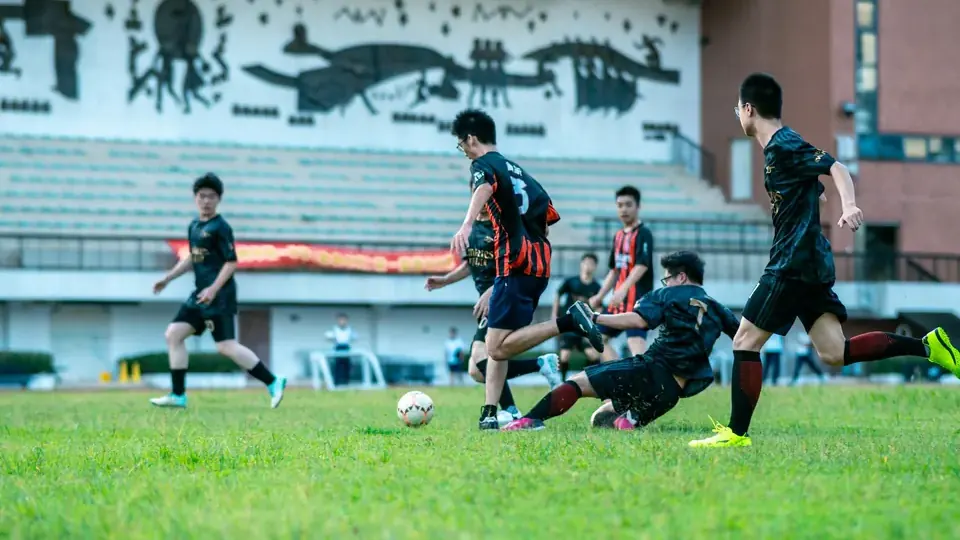
Step-by-step defensive checklist:
- Step 1: Press trigger. When the opposition centre-back receives with his back to goal, Palmer or Delap closes at an angle.
- Step 2: Trap. Cucurella steps up to cut the pass to the winger, while Colwill covers the channel.
- Step 3: Recovery. If the trap fails, Caicedo sweeps across the backline—he leads the team in interceptions and tackles.
- Step 4: Reset. Drop into the 5-2-3, with Neto or Garnacho tracking the full-back.
The Player Roles: Who Fits Where
Not every Chelsea player suits this system. Here’s how the squad breaks down under Macfarland:
| Player | Role in System | Strengths | Weaknesses |
|---|---|---|---|
| Cole Palmer | Free eight / right-sided creator | Dribbling, vision, finishing | Defensive work rate |
| Enzo Fernandez | Deep playmaker | Passing range, late runs | Mobility in transition |
| Moises Caicedo | Defensive shield | Tackling, recovery speed | Passing under pressure |
| Liam Delap | Target man / poacher | Hold-up play, finishing | Link-up at pace |
| João Pedro | Second striker / false nine | Movement, dribbling | Aerial duels |
| Pedro Neto | Left winger | Pace, dribbling | Injury record |
| Alejandro Garnacho | Left winger / impact sub | Direct running, finishing | Decision-making |
| Reece James | Right-sided hybrid | Passing, positioning | Fitness minutes |
| Levi Colwill | Left centre-back | Ball-playing, composure | Physical duels |
Key insight: Estevao Willian has made cameo appearances, and his direct, two-footed style suggests he’s being groomed for a creative role long-term.
The FA Cup Final: Tactical Keys Against Man City
The FA Cup final against Manchester City is the ultimate test. Here’s what Macfarland needs to get right:
- Midfield battle. City’s 3-2-5 against Chelsea’s 3-2-5 creates a mirror match. The winner will be the team that controls the second ball—Caicedo vs Rodri is the key duel.
- Palmer’s positioning. If City man-mark him with a midfielder, Chelsea need Enzo or João Pedro to step into the space. If they don’t, Palmer drifts and creates overloads.
- Transition speed. Chelsea can’t afford to be slow in possession. Quick switches to Neto or Garnacho will stretch City’s narrow defence.
- Set pieces. Chelsea have scored a high number of set-piece goals this season. Colwill and Delap are aerial threats.
What This Means for Next Season
Macfarland’s contract is interim, but the results speak. Chelsea’s squad is one of the most expensive in the Premier League. The average age is young. If Macfarland stays, the foundation is there.
Three questions for 2026/27:
- Can Palmer sustain this form? He’s been injury-free this season, but the minutes are piling up.
- Is Delap a 20-goal striker? He’s on a solid goal tally—good, not elite. Chelsea need more.
- Does the defence hold? Colwill and Chalobah are promising, but they lack experience in big moments.
Your Matchday Checklist
Before the next game, run through this:
- Watch Palmer’s positioning. Is he dropping deep or staying high? That tells you Chelsea’s intent.
- Track Cucurella. When he inverts, Chelsea attack. When he stays wide, they’re defending.
- Count the back three. If James is in midfield, Chelsea are in possession. If he’s level with Colwill, they’re in transition.
- Note the press trigger. If Delap or João Pedro closes the centre-back, Chelsea are pressing. If they drop off, it’s a mid-block.
- Look for the second ball. Caicedo’s recovery runs often start from a lost duel in midfield.