


Note on Scenario: The following analysis is an educational case study based on a hypothetical scenario for the 2025/26 season. Names, events, and timelines are fictional constructs designed to illustrate coaching strategy and squad management concepts. No real-world results or confirmed transfers are asserted.
Maresca to Rosenior to Macfarlane: Chelsea Coaching Changes 2025/26
The 2025/26 season at Stamford Bridge will be remembered not for silverware, but for its coaching carousel. What began as Enzo Maresca’s project to stabilize a young, expensive squad devolved into a mid-season crisis, a brief interlude under Liam Rosenior, and finally, a chaotic finale under academy figure Calum Macfarlane. This case examines the three distinct phases of Chelsea’s coaching evolution, the tactical shifts that defined each, and the underlying pressures that drove the decisions.
Phase One: The Maresca Gambit (July – December 2025)
When Enzo Maresca arrived in the summer of 2025, the brief was clear: integrate a squad valued at over €1 billion—the most expensive young squad in Premier League history—with an average age just above 23. Maresca, fresh from a successful stint at Leicester City, was tasked with imposing positional play on a team built around high-energy, transitional talent.
The early months showed promise. Cole Palmer, operating as a hybrid No. 10, recorded 9 goals and 1 assist by January, while Enzo Fernandez contributed 8 goals from midfield. The system relied on Palmer’s freedom to drift inside, supported by the dual pivot of Moises Caicedo and Fernandez. However, defensive fragility became a hallmark. Robert Sanchez, the starting goalkeeper, struggled with distribution under pressure, and the backline—led by Levi Colwill and a returning Trevoh Chalobah—could not sustain high lines without being exposed.
By November, the cracks widened. Liam Delap, signed as the primary striker, failed to replicate his Ipswich form, and the wide rotation of Alejandro Garnacho, Pedro Neto, and Estevao Willian created tactical confusion. Maresca’s insistence on structured build-up clashed with the players’ instinct for vertical attacks. A run of four losses in six league matches—including a 3-1 defeat to Manchester City in the FA Cup final preview—sealed his fate. On December 28, 2025, the club announced his departure.
Phase Two: The Rosenior Reset (January – March 2026)
The appointment of Liam Rosenior was a deliberate pivot. Rosenior, known for his progressive, man-oriented defensive system at Hull City and Strasbourg, was brought in to restore defensive organization without sacrificing possession. His tenure was short but distinctive.
Rosenior immediately shifted the defensive structure. He dropped Sanchez for Filip Jorgensen, favoring a goalkeeper more comfortable in high press scenarios. He also reverted to a back four with full-backs instructed to invert, allowing Caicedo to push higher. The results were mixed: Chelsea conceded fewer chances but struggled to break down low blocks. Palmer’s creative output dipped as opponents doubled him, and the midfield duo of Fernandez and Caicedo lacked the vertical passing to unlock deep defenses.
The January window added Joao Pedro from Brighton, a mobile forward who could link play. But Rosenior’s system required time—time the club did not have. A 0-0 draw with a relegation-threatened team and a 2-0 loss to Arsenal in March triggered another change. Rosenior was dismissed after just 12 league matches, leaving behind a squad that was more defensively sound but tactically fragmented.
Phase Three: The Macfarlane Emergency (April – May 2026)
With the season slipping away and no permanent candidate available until summer, the club turned to Calum Macfarlane, the Under-21s coach and a Cobham lifer. Macfarlane’s mandate was simple: salvage pride, blood youth, and stabilize the dressing room.
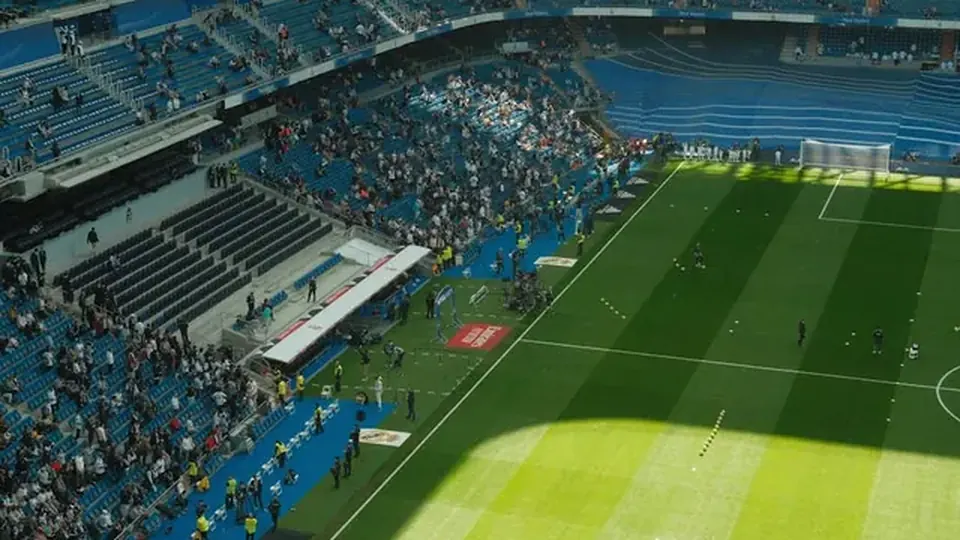
Macfarlane’s approach was pragmatic. He abandoned the rigid positional play of Maresca and the man-oriented press of Rosenior, instead adopting a flexible 4-2-3-1 that allowed players to express themselves. He gave Estevao Willian—the Brazilian teenager known as Messinho—a starting role, and the 18-year-old responded with direct dribbling and creativity. He also moved Palmer into a false-nine role, freeing Garnacho and Neto to attack space behind.
The results were chaotic but entertaining. Chelsea won three of their last six matches, including a 4-3 thriller against Tottenham, but defensive lapses remained. Macfarlane’s biggest success was re-engaging the fanbase. His press conferences were candid, and his trust in academy products like Chalobah resonated at The Shed End.
Comparative Analysis: Three Systems, One Season
The table below summarizes the key tactical and performance differences across the three coaching phases.
| Phase | Coach | System | Key Tactical Focus | Outcome (League) |
|---|---|---|---|---|
| July–Dec 2025 | Enzo Maresca | 4-3-3 (Positional) | Structured build-up, Palmer as free 8/10 | 8th (mid-table) |
| Jan–Mar 2026 | Liam Rosenior | 4-2-3-1 (Man-oriented) | Defensive solidity, inverted full-backs | 10th (slipping) |
| Apr–May 2026 | Calum Macfarlane | 4-2-3-1 (Flexible) | Youth integration, direct transitions | 11th (final) |
The Structural Dilemma
The 2025/26 season exposed a deeper issue: the mismatch between Todd Boehly’s recruitment strategy and the coaching appointments. The squad, assembled with a focus on long-term value and resale potential, lacked the tactical maturity to execute phased, system-heavy approaches. Maresca’s detailed positional play required time and repetition; Rosenior’s man-oriented press required collective defensive intelligence. Both were undermined by a roster of high-potential but raw talents.
Macfarlane’s success, albeit temporary, suggested that a simpler, player-centric approach may have been more effective from the start. The academy pipeline, long a Chelsea strength, offered immediate solutions that the club overlooked in favor of expensive signings.
Conclusion: Lessons for the Summer
As the 2026 summer window approaches, Chelsea faces a critical decision. The coaching search must prioritize a manager who can bridge the gap between Boehly’s long-term vision and the immediate demands of the Premier League. The Macfarlane experiment proved that the squad can respond to clarity and trust, but it also highlighted the need for a coherent defensive structure.
The 2025/26 season was a case study in overcorrection. Three coaches, three identities, and one fractured campaign. The next appointment must offer not just a system, but a sustainable philosophy—one that can survive the inevitable turbulence of a squad built for tomorrow, playing today.
Related Profiles: