

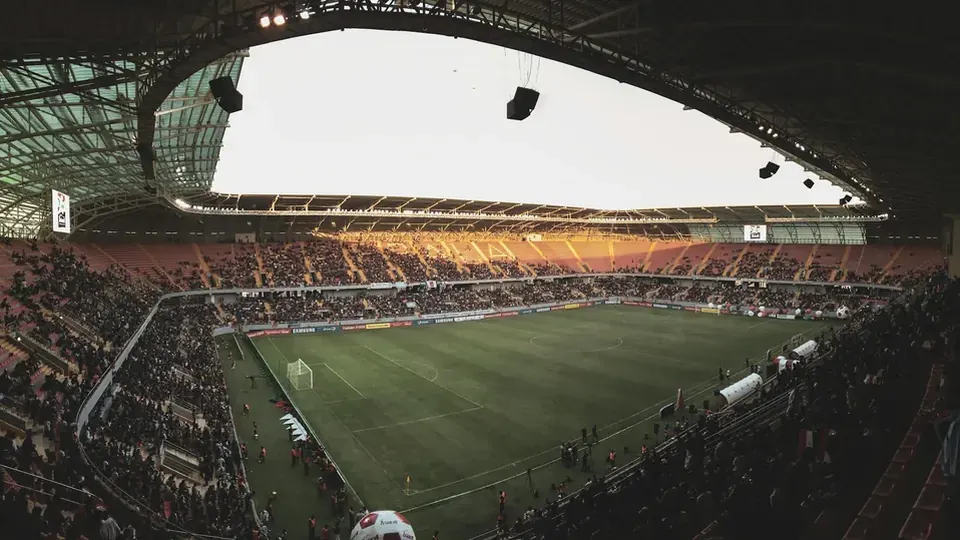
As the 2025-26 FA Cup Final approaches, Chelsea and Manchester City prepare to contest English football’s oldest knockout trophy at Wembley Stadium. For the Blues, this fixture represents an opportunity to salvage a turbulent season under interim manager Calum Macfarland, who took charge in April 2026. Manchester City, perennial contenders under Pep Guardiola, arrive as formidable opponents with a blend of tactical discipline and individual brilliance. This article examines five critical player battles that could determine the outcome of the final.
Cole Palmer vs Rodri: The Creative Fulcrum Versus the Defensive Anchor
Cole Palmer has been Chelsea’s most consistent attacking outlet this season, contributing goals and assists across all competitions. His ability to drift into half-spaces, combine with overlapping full-backs, and execute precise finishes from distance makes him the primary creative threat for the Blues. Against him stands Rodri, Manchester City’s midfield metronome and defensive shield, whose positional intelligence and reading of the game have neutralised countless attacking talents.
Palmer’s movement from the right flank into central areas will test Rodri’s discipline. If the Spaniard tracks Palmer too deep, City’s defensive structure could fracture, creating space for Enzo Fernandez or Moises Caicedo to exploit. Conversely, if Rodri maintains his defensive line, Palmer may find opportunities to receive the ball in transition—a scenario where his acceleration and composure in one-on-one situations become decisive.
Enzo Fernandez vs Kevin De Bruyne: The Battle of Vision and Range
Enzo Fernandez has evolved into Chelsea’s chief playmaker from deep, contributing goals this season with his trademark late runs into the box and precise long-range passing. His partnership with Caicedo has provided the Blues with a balanced midfield, capable of both breaking up play and launching attacks. Kevin De Bruyne, despite entering the latter stages of his career, remains Manchester City’s creative heartbeat, dictating tempo with his passing range and set-piece delivery.
Fernandez’s defensive responsibilities will be paramount. If he pushes forward to support attacks, De Bruyne may exploit the space behind him, linking with City’s wingers. However, if Fernandez maintains positional discipline, he can disrupt City’s build-up play by pressing De Bruyne when he receives the ball in deep areas. This tactical chess match will likely influence which team controls the midfield third.
Moises Caicedo vs Erling Haaland: The Defensive Shield Against the Goal Machine
Moises Caicedo has established himself as one of the Premier League’s most effective defensive midfielders, combining tenacity with tactical awareness. His primary task in the final will be to contain Erling Haaland, City’s prolific striker whose physicality and finishing have terrorised defences across Europe. Caicedo’s ability to drop between the centre-backs, screen passes into Haaland, and recover ground in transition will be critical.
Haaland’s movement—particularly his tendency to drift wide to receive the ball before attacking the box—requires Caicedo to maintain constant awareness. If the Ecuadorian can deny Haaland service in dangerous areas, Chelsea’s defensive structure gains stability. However, if Caicedo is drawn out of position, City’s midfield runners, such as De Bruyne or Phil Foden, may exploit the vacated space.

Liam Delap vs Ruben Dias: The Emerging Forward Against the Defensive General
Liam Delap has been a revelation for Chelsea this season after his arrival from Manchester City’s academy. His physical presence, hold-up play, and ability to finish with both feet make him a multifaceted attacking threat. Ruben Dias, City’s defensive leader, combines aerial dominance with positional intelligence, making him one of the few defenders capable of matching Delap’s strength.
Delap’s success will depend on his ability to occupy Dias and create space for Chelsea’s wide attackers—Pedro Neto, Alejandro Garnacho, or Estevao Willian. If Delap can draw Dias out of position through intelligent runs, the Blues may find opportunities to exploit the channels behind City’s defensive line. Conversely, if Dias neutralises Delap’s physicality, Chelsea’s attack risks becoming predictable.
Pedro Neto vs Josko Gvardiol: The Wide Threat Versus the Modern Full-Back
Pedro Neto has brought pace and directness to Chelsea’s left flank, using his acceleration and crossing ability to create chances for Delap and Palmer. Josko Gvardiol, deployed as an inverted full-back by Guardiola, combines defensive solidity with attacking contributions, often stepping into midfield to create numerical advantages.
Neto’s ability to isolate Gvardiol in one-on-one situations will be crucial. If the Portuguese winger can beat his marker and deliver early crosses, Chelsea’s aerial threats—including Delap and Fernandez—may capitalise. However, Gvardiol’s tactical flexibility allows City to adjust their defensive shape, potentially double-teaming Neto with support from Rodri or a centre-back.
Tactical Overview and Key Considerations
| Player Battle | Chelsea Advantage | Manchester City Advantage | Decisive Factor |
|---|---|---|---|
| Palmer vs Rodri | Creativity in tight spaces | Defensive intelligence | Palmer’s movement off the ball |
| Fernandez vs De Bruyne | Long-range passing | Set-piece delivery | Midfield discipline |
| Caicedo vs Haaland | Recovery speed | Finishing instinct | Defensive structure |
| Delap vs Dias | Physical hold-up play | Positional awareness | Aerial duels |
| Neto vs Gvardiol | Acceleration | Tactical versatility | One-on-one success |
The FA Cup Final 2026 presents Chelsea with an opportunity to defy expectations and secure silverware despite a season marked by managerial instability and inconsistent Premier League form. The player battles outlined above will likely determine which team imposes its tactical identity on the match. For the Blues, success hinges on Palmer’s creativity, Fernandez’s midfield control, and Caicedo’s defensive discipline. Manchester City, meanwhile, will rely on Rodri’s structure, De Bruyne’s vision, and Haaland’s clinical edge.
For further analysis of Chelsea’s season and post-match reactions, explore our match coverage reports, player ratings, and post-match analysis. Transfer and lineup information is subject to change; always verify with official Chelsea FC communications.