Chelsea's Transition Play: From Defense to Attack
In modern football, the moments immediately after winning or losing possession are often the most decisive. For Chelsea, mastering the art of transition—specifically, the rapid shift from a defensive posture to a potent attacking threat—is a fundamental pillar of tactical success. This phase of play tests a team's organization, technical quality, and collective mindset, separating elite sides from the rest.
The Philosophical Foundation: Why Transitions Matter
Transition play is not merely about kicking the ball long and hoping for the best. It is a structured, rehearsed component of a team's identity. For a club with Chelsea's ambitions, effective defensive-to-attacking transitions serve multiple purposes: they punish opponents caught in an unbalanced shape, create high-quality scoring chances before defenses can reorganize, and can psychologically demoralize rivals by turning their attacking pressure into immediate danger. The philosophy under the current management emphasizes verticality and speed, seeking to exploit space with purpose rather than possession for its own sake. This approach requires every player, from the goalkeeper to the striker, to understand their role in the chain.
The First Pass: Goalkeeper and Defensive Unit Activation
The transition ignition point is frequently the goalkeeper or the center-back who wins possession. The speed and accuracy of the first pass are paramount. Chelsea's goalkeepers are increasingly tasked with being playmakers, requiring excellent distribution to find midfielders or wing-backs in space. This places a premium on the battle for the #1 spot, as distribution skills are a key differentiator. Simultaneously, the defensive unit must be composed and proactive. After winning a tackle or interception, center-backs like Thiago Silva or Levi Colwill must immediately assess their options and play forward. The chemistry within the defensive unit is crucial here, as intuitive understanding allows for quicker decision-making under pressure.
Midfield Engine Room: The Crucial Link
The midfield is the transmission line of any transition. Players in this zone receive the ball from defenders under pressure and must turn defense into attack with one or two touches. This requires a blend of physical attributes—strength to shield the ball and pace to drive forward—and technical qualities like vision and passing range. The balance in Chelsea's midfield is tested most severely in these moments. A player like Enzo Fernández, for instance, might look to play an incisive line-breaking pass, while Moisés Caicedo might carry the ball forward to disrupt the opposition's structure. The midfield's ability to resist the opponent's counter-press (the immediate attempt to win the ball back) is vital. Successful ball progression here often creates the numerical advantages further up the pitch.
Exploiting Space: The Roles of Wing-Backs and Forwards
As the ball moves through the midfield, the wide areas and forward line spring into action. Chelsea's use of attacking wing-backs or full-backs is a key tactical feature in transitions. Players like Reece James and Ben Chilwell are expected to provide immediate width and penetration, sprinting into the vast spaces left by opposing wingers or midfielders who were committed to the attack. Their offensive contributions are a major metric of transition success.
Concurrently, the forwards and attacking midfielders must make intelligent, often diagonal, runs to stretch the retreating defensive line. The movement of the striker—whether it's a run in behind or a drop to link play—directs the entire operation. The variety and depth of Chelsea's attacking options allow for different transition strategies; a pacey winger like Mykhailo Mudryk looks for space behind, while a creative force like Cole Palmer might drift into pockets to receive the ball and dictate the final pass.
Training Ground Patterns and Collective Understanding
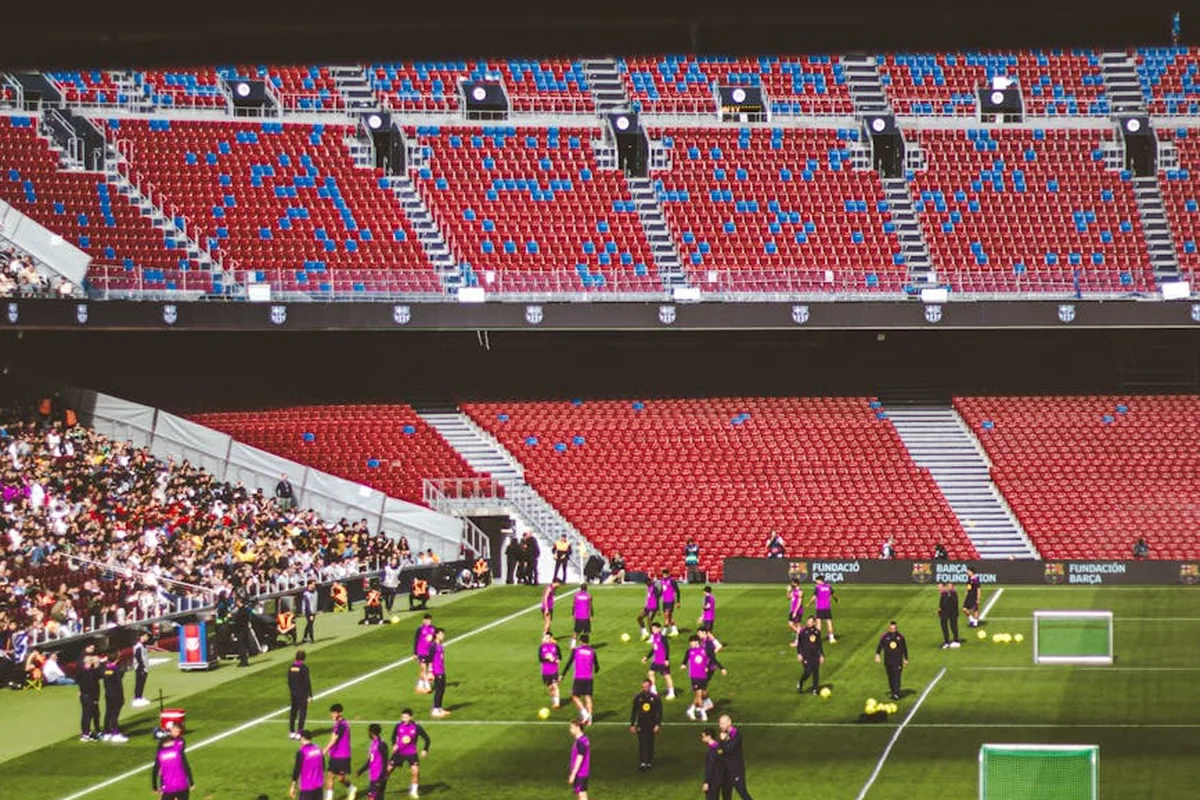
Effective transition play is drilled relentlessly on the training pitch. It involves pattern recognition and synchronized movement. Coaches work on specific triggers: a certain type of interception, a goalkeeper's catch, or winning a second ball. Players learn their "passing lanes" and running patterns based on where possession is regained. This collective understanding reduces hesitation and increases the speed of the attack. Integrating academy prospects into the first-team setup relies heavily on them absorbing these complex, automated responses, which are often the hallmark of a cohesive side.
Challenges and Areas for Improvement
Despite its importance, transition play is fraught with risk. A misplaced pass during this vulnerable phase can immediately return pressure onto Chelsea's own defense. Therefore, decision-making is as critical as execution. Common challenges include:
- Overcomplication: Trying to force a perfect final ball instead of maintaining momentum through simple, progressive play.
- Poor Support: Attackers making similar runs or not providing a short passing option, isolating the ball carrier.
- Physical and Mental Fatigue: Transition sprints are demanding. Injury prevention and recovery strategies are essential to keep players capable of performing these high-intensity actions throughout a season.
Furthermore, the squad's availability directly impacts consistency in this phase. Injuries to key players can disrupt the finely tuned timing and understanding required for seamless transitions.
Case Study in Context: The Premier League Landscape
Chelsea's proficiency in transition must be viewed within the broader context of the Premier League, where the athleticism and tactical sophistication of opponents are relentless. Teams like Liverpool and Arsenal under Mikel Arteta have also built their success on devastating transitions. Analyzing Premier League tactical trends shows an ever-evolving arms race in this phase of the game. For Chelsea, the goal is to develop a signature, reliable method of turning defense into attack that can break down organized low blocks as effectively as it exploits open games against top rivals.
Studying the principles of transition play is fundamental to understanding the modern game. As noted by experts at The Coaches' Voice, the organization of a team in and out of possession is what defines its tactical approach. For further reading on the theoretical frameworks, resources like the The Coaches' Voice analysis of transitions provide excellent depth. Additionally, statistical models from sites like FBref can quantify transition actions like progressive carries and passes, offering data to support tactical observations.
Conclusion
Chelsea's transition play from defense to attack is more than a tactic; it is a reflection of the team's identity, preparation, and technical courage. It requires every component of the squad to function in unison, from the goalkeeper's quick throw to the striker's clinical finish. As the team continues to evolve, the efficiency and ruthlessness of these moments will be a primary indicator of its progress and a key determinant in competing for the highest honors. Perfecting this volatile, exhilarating aspect of football remains a perpetual and essential challenge at Stamford Bridge.