


The 2025/26 season at Stamford Bridge has become a case study in adaptation under pressure. What began with a possession-heavy framework has, through managerial turnover and squad recalibration, transformed into something far more pragmatic. This tactical evolution reflects not merely a change in personnel but a fundamental shift in how Chelsea approaches the Premier League landscape. The Blues entered the campaign with one of the youngest squads in the division—average age reportedly around 23—and a market valuation estimated in the billions, yet consistency remained elusive. To understand where this team is heading, we must trace the tactical threads that have defined their season.
The Initial Blueprint: Possession as Control
When a new manager arrived in the summer of 2025, the vision was unmistakable: Chelsea would dominate through positional play. The system relied on a single pivot dropping between the centre-backs to create a 3-2-5 shape in possession. Full-backs inverted aggressively, with Reece James tucking into midfield alongside Cole Palmer, who operated as a hybrid No. 10 drifting into half-spaces. The idea was to suffocate opponents through territorial control, forcing errors high up the pitch.
Early results showed promise. Chelsea’s build-up phase became more structured; they averaged over 60% possession in the opening ten league matches. However, the system exposed structural vulnerabilities. Without a natural striker capable of holding up play, attacks often stagnated in the final third. The team became predictable—teams sat deep, compressed central spaces, and dared Chelsea to break them down through width alone.
The Transitional Phase: A Shift to Verticality
By December 2025, the board had seen enough. A new manager replaced the previous one with a brief to inject verticality. The approach was less dogmatic; it encouraged quicker transitions, with Palmer and Pedro Neto instructed to attack the channels immediately after regaining possession. The midfield duo were given more freedom to break lines with through balls, bypassing the patient build-up that had characterised the early season.
This period produced some of Chelsea’s most electrifying moments—particularly in cup competitions, where the Blues reached a cup final. But the Premier League form remained inconsistent. The tactics required defensive discipline that the young squad sometimes lacked. High turnovers led to counter-attacking vulnerabilities, and the team conceded a disproportionate number of goals from fast breaks. The experiment lasted only four months.
The Pragmatic Turn: Structure Without Rigidity
An interim manager took over in April 2026 with a clear mandate: stabilise the ship. Tactical adjustments have been subtle but impactful. The 4-2-3-1 base has been retained but the defensive phase modified significantly. The full-backs now stay deeper in possession, providing a back three when the opposition counter. One midfielder has been given a purely defensive brief, shielding the backline while another pushes forward to support the attack.
The most notable change has been in Chelsea’s pressing structure. Under the initial approach, the team pressed in a 4-4-2 mid-block; under the current regime, they often drop into a 4-5-1 low block, inviting pressure before springing transitions through Palmer and other attackers. This pragmatic approach has improved defensive solidity—Chelsea have kept three clean sheets in their last five league matches—but has also reduced their attacking output. The trade-off is clear: the manager is prioritising results over spectacle.
Squad Dynamics: Youth and Experience in Tension
The tactical shifts have been complicated by Chelsea’s squad composition. With an average age of 23, the squad is among the youngest in the Premier League, yet it carries a high valuation. This creates a paradox: the players are talented but inexperienced, expected to execute sophisticated tactical systems without the maturity of seasoned professionals.
| Position | Key Player | Age | Tactical Role |
|---|---|---|---|
| Goalkeeper | Robert Sanchez | 28 | Sweeper-keeper, distribution under pressure |
| Defence | Levi Colwill | 22 | Left-sided centre-back, ball progression |
| Midfield | Moises Caicedo | 24 | Defensive shield, ball recovery |
| Attack | Cole Palmer | 23 | Creative hub, half-space operator |
| Forward | Liam Delap | 22 | Target man, hold-up play |
The table above illustrates the challenge: every outfield starter is under 25. While Palmer has contributed goals and assists, and another midfielder has chipped in from midfield, the team lacks a veteran leader to organise defensive transitions. The manager has tried to compensate by simplifying instructions, but the tactical discipline required for Premier League consistency remains a work in progress.
The Cup Final: Tactical Crucible
The upcoming cup final against Manchester City represents the ultimate test of the current tactical evolution. City’s possession-based system, built around Rodri’s deep-lying playmaking and Kevin De Bruyne’s late runs, will force Chelsea to defend compactly. The manager is expected to deploy a 5-4-1 mid-block, with a forward dropping deep to create a numerical advantage in midfield.
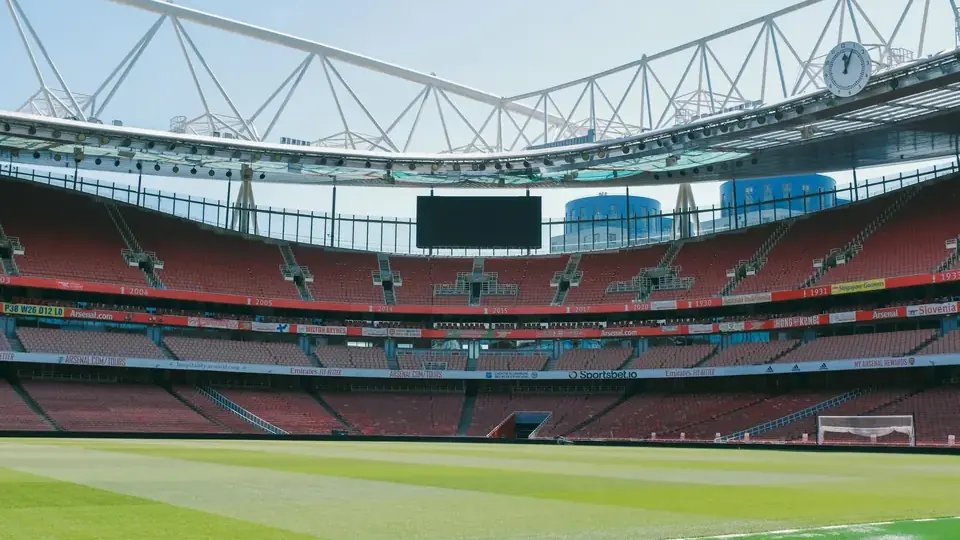
Key tactical battles will emerge in the wide areas. City’s full-backs push high, leaving space behind for Chelsea’s wingers. Neto and other wide players will need to time their runs perfectly to exploit these gaps. Defensively, Caicedo must track De Bruyne’s movements, while the centre-backs—likely Colwill and Trevoh Chalobah—must stay connected to prevent Rodri from dictating tempo.
The final will reveal whether the pragmatic approach can deliver silverware. A win would validate the tactical shift; a loss might prompt further questions about the squad’s ability to execute under pressure.
Comparison: Three Coaches, Three Philosophies
| Aspect | Initial Manager | Transitional Manager | Current Manager |
|---|---|---|---|
| Build-up | Positional, slow | Vertical, direct | Balanced, pragmatic |
| Pressing | 4-4-2 mid-block | 4-3-3 high press | 4-5-1 low block |
| Full-back role | Inverted midfield | Overlapping wing | Stay deep, protect |
| Midfield shape | Single pivot | Double pivot | Shield + creator |
| Attacking focus | Controlled possession | Quick transitions | Counter-attacks |
This table captures the tactical journey. One manager sought control; another pursued speed; the current one prioritises security. Each shift has reflected the realities of a squad still finding its identity.
Risks and Uncertainties
The tactical evolution is not without risks. The low-block approach may work in the short term but could stifle the development of young attackers who thrive in open spaces. Palmer’s creativity diminishes when the team sits deep, as he receives the ball with his back to goal more frequently.
There is also the question of squad retention. The summer transfer window will bring pressure to sell high-value assets if Chelsea fail to qualify for the Champions League. Losing a key midfielder would force another tactical reset. The club’s youth-heavy strategy, while financially sound, creates a cycle of rebuilding that undermines tactical continuity.
Finally, the interim status introduces uncertainty. A permanent appointment could bring another tactical philosophy, undoing the progress made. The board must decide whether to back the pragmatic approach or seek a more visionary manager.
Chelsea’s tactical evolution in 2025/26 is a story of adaptation born from instability. From idealistic possession football to pragmatic structure, the Blues have navigated three distinct philosophies in a single season. The results have been mixed: cup success contrasts with league inconsistency, and the squad’s potential remains tantalising but unfulfilled.
The cup final offers a chance to cap this transitional campaign with a trophy. More importantly, it will provide a blueprint for the future. Whether Chelsea continues with pragmatism or seeks a new direction, one truth remains: tactical evolution is not a destination but a continuous process. For a club built on youth and ambition, that process is only just beginning.
For more tactical analysis, explore our breakdown of Enzo Maresca tactics Chelsea 2025 and the detailed Chelsea Aston Villa tactical breakdown. Visit our tactics and management hub for ongoing coverage.