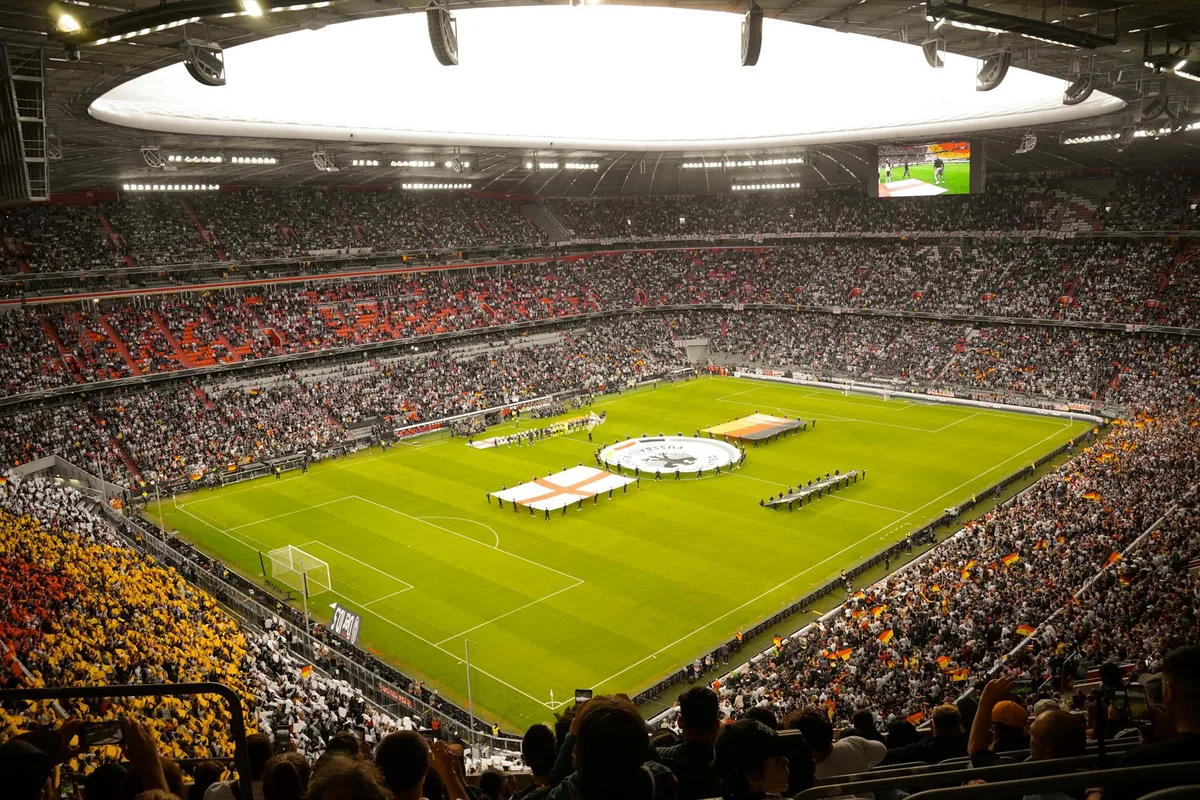
Chelsea Stadium Development: Plans and Future Vision for Stamford Bridge
The future home of Chelsea Football Club is one of the most significant and complex projects in modern football. Stamford Bridge, a hallowed ground with over a century of history, faces the dual challenge of preserving its unique character while evolving into a world-class arena fit for the 21st century. For the club's ownership, led by Todd Boehly and Clearlake Capital, the stadium's redevelopment is not merely an infrastructure project; it is a foundational pillar for the club's long-term sporting and financial competitiveness. This article delves into the current plans, the formidable challenges, and the ambitious future vision for the home of the Blues.
The Imperative for Change: Why Stamford Bridge Must Evolve
Stamford Bridge's current capacity of just over 40,000 places Chelsea at a significant financial disadvantage compared to their Premier League rivals. Matchday revenue is a critical income stream, and clubs with larger stadiums like Manchester United, Tottenham Hotspur, and Arsenal generate tens of millions more annually. This revenue gap impacts everything from transfer market spending power to compliance with Financial Fair Play (FFP) and Premier League Profit and Sustainability Rules (PSR). Beyond economics, the matchday experience for fans is constrained by an aging infrastructure. Modern fan expectations, corporate hospitality demands, and the need for improved accessibility all point toward the necessity of a major redevelopment or rebuild to ensure Chelsea remains at the pinnacle of European football. For a deeper understanding of the club's financial strategy in player trading, see our analysis of Chelsea Player Sales Strategy: Balancing Revenue and FFP.
A History of Ambitious Plans and Formidable Obstacles
Chelsea's quest for a new stadium is a saga spanning decades. The most recent and detailed proposal under former owner Roman Abramovich was the breathtaking design by Herzog & de Meuron, which envisioned a stunning 60,000-seat cathedral of football on the existing footprint. Approved by local authorities in 2017, the project was ultimately halted due to the unfavorable investment climate and, later, Abramovich's forced sale of the club. This history highlights the perennial challenges: the densely populated Fulham location, complex transport and infrastructure needs, local resident concerns, and the astronomical cost, estimated to exceed £2 billion for a complete rebuild. The club's commitment to remaining at Stamford Bridge—the spiritual home—adds a layer of complexity not faced by clubs who relocated to new grounds.
The Current Vision: Exploring All Options
The current ownership group has made it clear that stadium development is a top priority. They are actively re-evaluating all possibilities, which broadly fall into three categories:
- Complete Rebuild on the Existing Site: This remains the preferred option for most fans, preserving the historic location. It would involve demolishing the current stadium and constructing a new, larger one in phases, likely requiring the club to play at a temporary home (such as Wembley Stadium) for several seasons. The logistical and financial hurdles are immense.
- Significant Expansion and Renovation: This could involve adding new tiers to existing stands, particularly the Sir Bobby Tambling (South) Stand, and a comprehensive upgrade of facilities. While potentially less disruptive and costly, the gains in capacity would be more modest due to site constraints and railway lines.
- Acquisition of Adjacent Land: Any expansion hopes hinge on the near-impossible task of purchasing additional land around the stadium. The club has historically bought plots where possible, but major land acquisitions remain a critical barrier.
The ownership has engaged leading architectural firms and planning experts to develop a financially and logistically feasible plan. Their approach appears methodical, focusing on securing the long-term viability of any project before making public announcements. The development of a competitive squad runs parallel to this, as explored in our Chelsea Squad Depth Chart: Position-by-Position Analysis.
Design Philosophy and Fan Experience
The future Stamford Bridge, regardless of the final form, will be designed with core principles in mind. Maintaining the stadium's renowned atmosphere is paramount. Modern designs often risk creating sanitized, corporate environments, but the emphasis will be on steep stands close to the pitch to generate intensity, akin to the current Matthew Harding Stand. The design must also seamlessly integrate the Chelsea Stadium Atmosphere: The Stamford Bridge Experience that fans cherish. Furthermore, a significant upgrade in hospitality, catering, concourse facilities, and museum space is expected. Enhanced accessibility for disabled supporters and improved transport links will be central to the planning application. The vision is a stadium that is both a formidable fortress on matchday and a 365-day-a-year destination for fans worldwide.
Financial and Regulatory Hurdles
The financing model for the project will be closely watched. The cost will likely be funded through a combination of owner equity, long-term debt, and potentially naming rights for the new stadium—a controversial but financially impactful move. The project must also navigate the UK's stringent planning permission process, requiring extensive consultation with the local Hammersmith and Fulham Council and community groups. Environmental sustainability will be a key component, with expectations for high environmental standards in construction and operation. The club's financial strategy is multifaceted, as also seen in their approach to Chelsea Contract Situations: Key Players Analysis 2024.
The Road Ahead: Timeline and Impact
While no official timeline exists, industry experts suggest that even if plans were finalized imminently, a new or fully renovated Stamford Bridge is unlikely to be ready before the end of the 2020s. The process involves years of design, planning applications, consultation, and construction. The impact on the team could be significant, with a potential temporary relocation posing a challenge to maintaining home advantage. However, the long-term benefits are transformative. A 60,000-seat stadium could increase matchday revenue by approximately £50-70 million per year, providing crucial funds to invest in the playing squad and academy. For more on the pipeline of talent that could grace the new stadium, read Chelsea Academy Prospects: Who's Next for a First-Team Breakthrough?.
Conclusion: Building a Legacy
The development of Stamford Bridge is more than construction; it is about building the future legacy of Chelsea FC. The new ownership has inherited this grand challenge and possesses the financial resources to see it through. Success will require not just capital, but delicate diplomacy with fans, local residents, and authorities, and an unwavering commitment to the club's identity. The goal is clear: to create a stadium that honors the storied past of Stamford Bridge while securing Chelsea's status as a global powerhouse for generations to come. It is the ultimate long-term project, one that will define the club's trajectory as much as any trophy. For further context on the club's history and its home, explore our Chelsea Stadium Evolution: Stamford Bridge History and Development.
For the latest official updates and statements regarding the stadium project, fans should monitor the official Chelsea FC website. Additionally, detailed planning documents and architectural insights can often be found through resources like the Hammersmith & Fulham Council planning portal when applications are submitted.