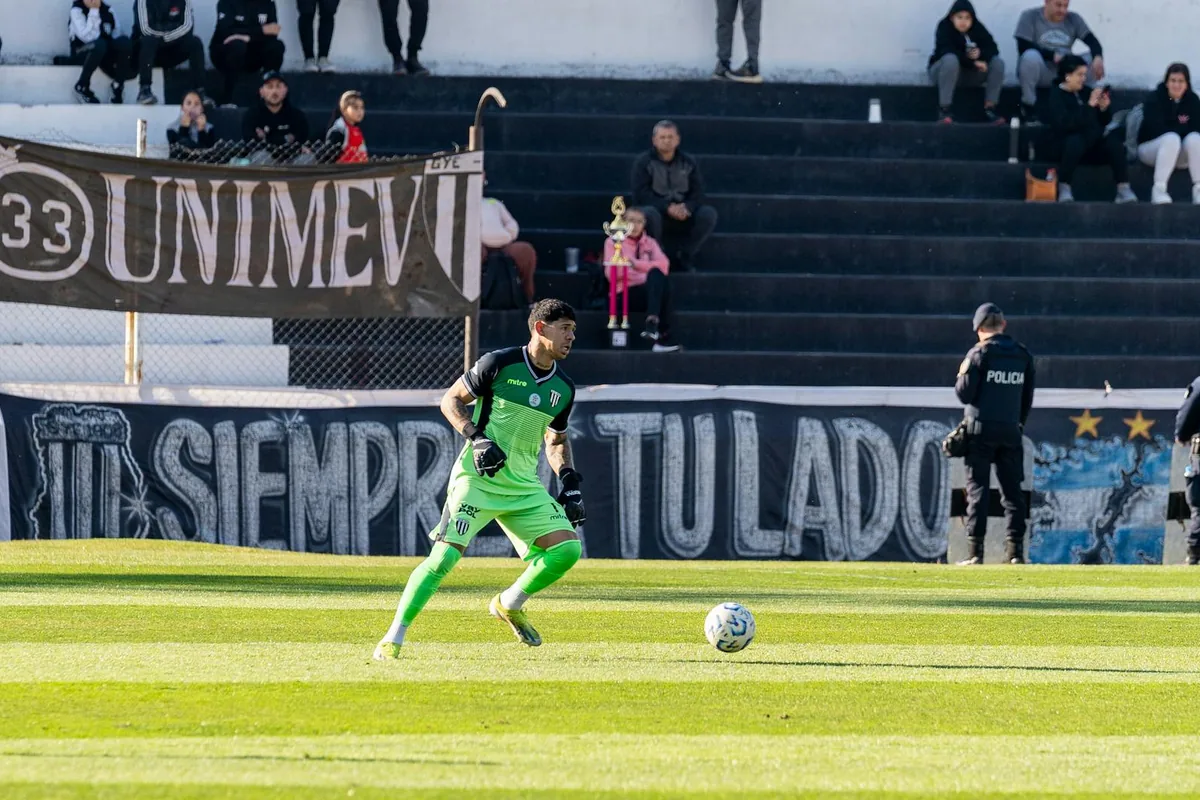
Chelsea Game Management Analysis: Late Stage Scenarios
Closing out matches effectively is a hallmark of elite teams, separating title contenders from the rest. For Chelsea, game management in the final 15-20 minutes has been a critical area of focus, often determining whether three points are secured or valuable leads are squandered. This analysis delves into the tactical decisions, personnel choices, and mental fortitude required to navigate these high-pressure scenarios successfully.
The Tactical Blueprint for Closing Games
Modern game management extends far beyond simply parking the bus. It involves calculated risk assessment, strategic substitutions, and subtle shifts in tactical approach. For Chelsea, the foundation is often built upon a possession-oriented philosophy, but the application must be fluid based on the match state, opponent, and available personnel.
Controlling Tempo and Space
The primary objective in a leading position is to control the game's rhythm. This doesn't always mean sterile possession. It can involve intelligent ball circulation in midfield to draw opponents out, strategic time-wasting in safe areas of the pitch, and, crucially, winning second balls. The role of the midfield pivot becomes paramount, requiring both discipline to maintain shape and the technical quality to retain the ball under pressure. For a deeper look at the options available, see our analysis of Chelsea's Midfield Balance: Creativity vs Defensive Cover.
Strategic Substitutions: More Than Fresh Legs
Substitutions in the late stages are a manager's most direct tool for influencing the game's outcome. The introduction of a physical, defensively-minded midfielder can shore up the center, while pacy wingers can be deployed not just for counters, but to pin back opposition full-backs, forcing them to think defensively. The availability of impactful substitutes is a key factor, heavily influenced by the squad's overall health. Current options and their bench impact are detailed in our Chelsea Attacking Depth: Bench Impact and Rotation Options analysis.
Defensive Organization Under Pressure
As opponents commit more players forward, Chelsea's defensive structure is put to the ultimate test. This phase requires impeccable communication, positional discipline, and a collective understanding of when to press and when to drop.
Set-Piece Resilience
Late-game pressure invariably leads to an increase in corners and free-kicks for the opposition. A team's ability to defend these situations is often the difference between a win and a draw. This requires not just height and strength, but meticulous organization, clear marking assignments, and assertive goalkeeping. The chemistry and understanding between center-backs is critical, a topic explored in Chelsea Center-Back Partnerships: Chemistry and Effectiveness Analysis.
The Goalkeeper's Role as a Commander
In the dying moments, the goalkeeper transforms into a sweeper and a commander. Organizing the defensive line, claiming crosses authoritatively, and managing the game clock are as important as making saves. The presence and decision-making of the number one can instill calmness throughout the entire backline. For a comparative look at the traits of Chelsea's options in this crucial position, review our Chelsea Goalkeeper Depth Chart: Analyzing the Battle for the #1 Spot.
Mental Fortitude and Leadership
Tactics are useless without the mental strength to execute them under intense pressure. Late-stage game management is as much a psychological battle as a physical one.
On-Field Decision Making
Players must make intelligent, context-aware decisions in real-time. When to clear the ball into row Z versus attempting a composed pass out from the back, when to commit a tactical foul, and when to drive into the corner flag are judgments that define elite game management. This requires experience and a cool head, qualities often embodied by the team's leadership core.
The Captain's Influence
A vocal, respected captain can be the on-pitch extension of the manager's instructions, ensuring tactical discipline is maintained when concentration might waver. They manage relationships with the referee, motivate teammates, and help the team navigate tense moments. The importance of this hierarchy is discussed in Chelsea Squad Leadership: Hierarchy and Influence Analysis.
Learning from Experience: Case Studies and Trends
Chelsea's recent history provides clear examples of both successful and failed game management. Analyzing these instances reveals patterns and areas for continuous improvement. Success often correlates with a clear, pre-rehearsed plan being executed by players who understand their specific late-game roles. Failures, conversely, can often be traced to a loss of collective shape, poor decision-making in possession leading to dangerous turnovers, or a drop in intensity that invites pressure.
According to analysis from professional coaching bodies like the Professional Footballers' Association, the most effective teams dedicate specific training sessions to "game state" scenarios, practicing both protecting a lead and chasing a game. Furthermore, statistical reviews, such as those published by Opta, consistently show that teams who control possession in the opposition's half during the final ten minutes significantly increase their chances of seeing out a victory, as opposed to deep, passive defending.
Conclusion: A Blend of Art and Science
Chelsea's ability to manage late-stage scenarios is a multifaceted discipline. It requires a coherent tactical plan from the coaching staff, the right personnel choices influenced by squad depth and fitness, and the mental resilience and leadership on the pitch to adapt to the unpredictable flow of a match's climax. Mastery in this area turns narrow leads into wins and draws into victories, ultimately defining a team's success over a grueling season. As the squad continues to develop, refining this art of game closure will remain a non-negotiable priority in the pursuit of silverware.