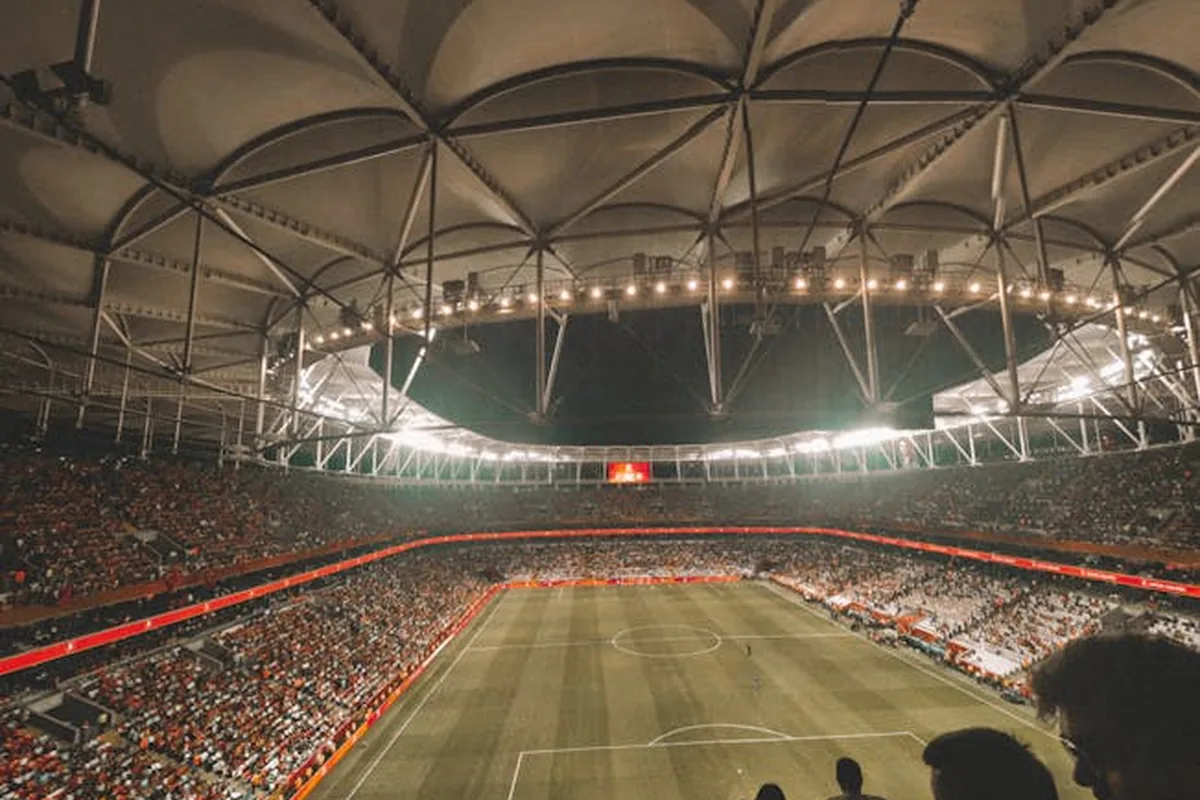
European Nights at Stamford Bridge: Atmosphere Analysis
There is a distinct, palpable electricity that crackles through Stamford Bridge on a European night. It transcends the typical fervor of a Premier League match, transforming the venerable stadium into a cauldron of noise, color, and shared, unwavering belief. This unique atmosphere is not a happy accident; it is a carefully cultivated legacy forged through decades of dramatic continental campaigns, legendary comebacks, and ultimate glory. Analyzing the components of this special environment reveals why European nights in West London hold such a revered place in the hearts of Chelsea supporters and players alike.
The Anatomy of the Atmosphere
The atmosphere on a Champions League or Europa League evening is a multi-sensory experience, built on several key pillars that differentiate it from domestic fixtures.
Pre-Match Buildup and Visual Spectacle
The transformation begins hours before kick-off. The Champions League anthem, with its iconic orchestral swell, is met not with passive listening but with a roaring, defiant chorus from the stands. It serves as a unifying battle cry, signaling the shift from domestic to continental competition. The stadium lighting often dims, with spotlight beams cutting through the haze as the teams emerge, heightening the sense of occasion. The Matthew Harding Stand and the Shed End become seas of flags and banners, many commemorating past European triumphs or displaying messages of support for the current key players tasked with delivering victory.
The Decibel Level and Chant Coordination
While Stamford Bridge can be vocal for league games, the volume and consistency on European nights are dialed to eleven. The crowd operates with a heightened sense of its role as the proverbial "12th man." Chants are more sustained, often orchestrated en masse by supporter groups. The rhythmic clapping during tense moments, the deafening roar that greets a crucial tackle, and the collective groan at a missed chance are all amplified. This wall of sound is designed to intimidate the opposition and energize the home side, particularly during periods of sustained pressure. The history of the competition seems to weigh on the crowd, inspiring a more focused and passionate vocal output.
A Shared Historical Consciousness
Perhaps the most critical ingredient is the shared memory bank of every fan in attendance. When Chelsea trail on aggregate or need a goal, the crowd does not wilt; it rallies. This resilience is born from lived experience. The ghosts of Munich 2012, the miracle against Napoli in 2012, the epic battles with Barcelona and Liverpool—these narratives are in the air. The belief that "it's never over" is a tangible force, directly fueled by the club's history of dramatic European turnarounds. This collective consciousness creates an atmosphere of defiant optimism that can will the team forward in a way few other grounds can replicate.
The Players' Perspective and Performance Impact
The atmosphere is not merely for show; it has a measurable impact on the pitch. New signings often speak of their initiation into the "Stamford Bridge European night" as a rite of passage. The energy from the stands can elevate individual performances, granting players that extra yard of pace or ounce of determination in a 50/50 challenge. For the squad's leadership group, harnessing this energy is a key tactical and motivational tool. Conversely, the crowd's reaction can also sharpen focus; a misplaced pass is met with an urgent, groaning cry for improvement, pushing players to raise their standards immediately.
This symbiotic relationship is crucial. A moment of individual brilliance—a surging run from a winger, a last-ditch block from a center-back—can ignite the crowd, which in turn fuels the players further. It creates a positive feedback loop that visiting teams often find overwhelming. Maintaining squad fitness and availability is paramount to ensuring the team can match the crowd's intensity for 90+ minutes, making injury updates and player return timelines a constant point of focus during European campaigns.
Evolution and Comparison: Then and Now
The nature of the European night atmosphere has evolved alongside the club's stature. In the early years of the Roman Abramovich era and the run to the 2008 final, there was a sense of wide-eyed, fervent pursuit of an elusive dream. The atmosphere was one of hungry, passionate ambition. Following the triumphs in Munich (2012) and Porto (2021), a layer of hardened expectation and seasoned belief has been added. The crowd now operates with the confidence of a club that belongs at Europe's top table, but the raw passion remains undimmed.
This differs markedly from the atmosphere for domestic cup games, where rotation and perceived competition priority can sometimes dampen the mood, or even high-profile Premier League matches. A London derby against Arsenal or Tottenham is fueled by intense local rivalry and history. A European knockout tie, however, carries the weight of an entire continent and the quest for the most prestigious club trophies. It is a different kind of pressure and a different kind of glory, reflected in the more unified, less partisan (towards other English teams) but equally fervent support.
Challenges and the Future
Maintaining this unique atmosphere faces modern challenges. Ticketing allocations, safety regulations, and the increasing commercialization of the game can sometimes create friction. Furthermore, the team's performance is the ultimate driver. A period of inconsistent results in Europe can test the crowd's ability to generate that iconic fervor. The integration of young, hungry talents from the academy prospects pool can reinvigorate the connection, as fans rally behind homegrown players representing the club on the continental stage.
The future of these legendary nights is intrinsically tied to the team's continued competitiveness in Europe. As the club builds its next cycle, the atmosphere at Stamford Bridge will remain a key strategic asset. It is a weapon that, as detailed in historical accounts on the official UEFA website, is recognized across the continent for its intensity. Furthermore, the design and development of the stadium itself play a role; as discussed in resources like Football Stadiums, architecture can enhance or inhibit fan noise, a consideration for any future renovations.
Conclusion
The European night atmosphere at Stamford Bridge is a powerful, living tradition. It is a complex blend of ritualized pre-match ceremony, relentless vocal support, and a deep-seated historical belief that has been proven right on the grandest stages. It affects players, intimidates opponents, and creates memories that last a lifetime for those in the stands. It is more than just a loud crowd; it is the audible and visible manifestation of Chelsea FC's heart, soul, and hard-earned status as a European heavyweight. As long as the Champions League anthem plays in SW6, that unique, spine-tingling electricity will continue to flow.