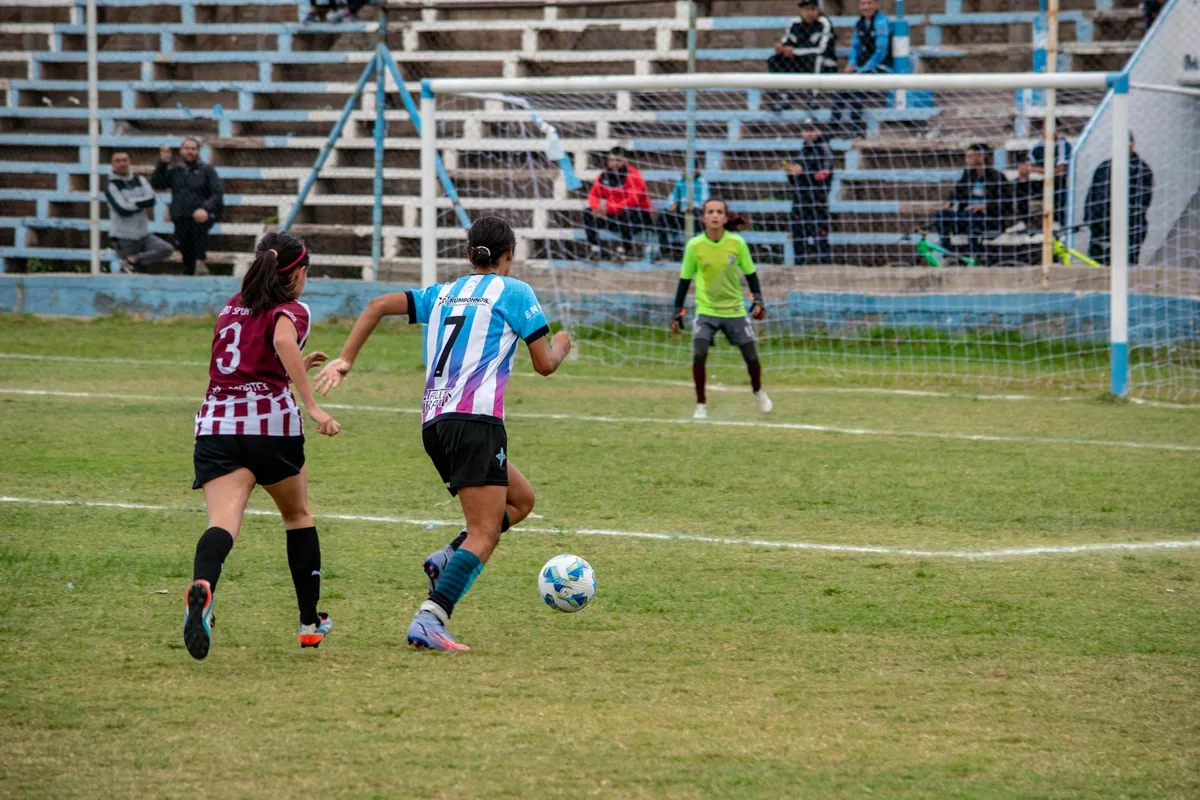
Chelsea Defensive Unit Organization Analysis
Chelsea's defensive organization is the tactical bedrock upon which any successful campaign is built. While individual talent is abundant, the collective structure, communication, and understanding between players determine whether the Blues are a resilient force or a vulnerable one. This analysis delves into the key components of Chelsea's defensive setup, examining the roles, partnerships, and systemic principles that define their work off the ball.
The Foundation: Defensive Structure and Shape
Chelsea's defensive organization begins with their chosen formation, which dictates the initial positions and responsibilities of players. Whether operating in a 4-2-3-1, a 4-3-3, or a back-three system, the principles of compactness and coordinated movement remain paramount. The primary objective is to deny space between the lines, forcing opponents into wide areas or into low-percentage long-range efforts. The defensive line's positioning—whether holding a high line to compress space or dropping deeper to protect against pace—is synchronized with the midfield's pressing intensity. A breakdown in this synchronization, such as a midfield press being bypassed while the defense holds a high line, is often the source of critical defensive vulnerabilities. For a deeper look at how the squad is constructed, see our Chelsea FC Current Squad: Complete Player Profiles & Stats.
The Role of the Goalkeeper in Organizing the Defense
The goalkeeper is far more than a shot-stopper; they are the chief organizer and communicator from the back. Their positioning and vocal commands are crucial for maintaining the defensive line's height and for coordinating during set-pieces. A proactive goalkeeper who commands their area and decisively deals with crosses can alleviate immense pressure on the center-backs. The competition and differing profiles of Chelsea's goalkeepers directly influence the defensive unit's behavior and confidence. A detailed examination of this critical position can be found in our Chelsea Goalkeeper Depth Analysis: Comparing Our Shot-Stoppers.
Center-Back Partnerships: The Core of Defensive Stability
The chemistry between Chelsea's center-backs is arguably the single most important factor in defensive organization. An effective partnership balances complementary skills: one may be a proactive, front-foot defender excelling in duels and interceptions, while the other provides cover, positional awareness, and ball-playing ability. Their understanding dictates the offside trap, determines who engages the attacker and who provides cover, and ensures seamless coordination when defending crosses. Constant communication is non-negotiable. The absence of a settled, consistent pairing due to injuries or rotation can lead to hesitancy and organizational errors. For a focused analysis on these crucial relationships, explore Chelsea Center-Back Partnerships: Chemistry and Effectiveness Analysis.
Full-Back/Wing-Back Integration and Responsibilities
In modern systems, full-backs have dual and often conflicting roles. Defensively, they must be disciplined in one-on-one situations, track opposition wingers, and decide when to tuck in to form a temporary back three. Their positioning is intrinsically linked to the team's defensive phase: if Chelsea loses possession high up the pitch, the full-backs must recover quickly to prevent counter-attacks. The balance between providing attacking width and maintaining defensive solidity is a perpetual tactical challenge, and their ability to transition rapidly between these phases is a key metric of the unit's overall organization.
Midfield Screening and Defensive Transitions
A well-organized defense is often protected by a disciplined midfield screen. The positioning and tactical intelligence of Chelsea's defensive midfielders are vital in shielding the back four, cutting off passing lanes into dangerous areas, and providing the first line of pressure. Their role in defensive transitions—the moment the team loses possession—is critical. A immediate counter-press can prevent the opponent from launching a quick attack, while a failure to do so can expose the defense before it can regain its shape. The balance between midfield creativity and defensive cover is a constant consideration, detailed further in our Chelsea's Midfield Balance: Creativity vs Defensive Cover Analysis.
Collective Pressing Triggers and Coordination
Chelsea's defensive organization is not merely reactive; it is proactive through coordinated pressing. The team employs specific "triggers"—such as a backward pass, a touch by a certain player, or a reception in a wide area—to initiate a collective press. This requires immense coordination: when one player steps forward to press, teammates must shift accordingly to cover spaces and mark passing options. A poorly coordinated press, where only one or two players engage, is easily bypassed and leaves the team stretched and vulnerable. According to analysis by experts at TheMastermindSite, effective pressing schemes are a hallmark of elite modern teams, turning defense into immediate attack.
Set-Piece Organization: A Critical Sub-Unit
Set-pieces represent a distinct phase of defensive organization requiring specialized planning. Chelsea's setup for corners and free-kicks involves meticulous zonal and man-marking assignments, clear communication for who attacks the ball and who guards space, and pre-defined responsibilities for clearing the ball and initiating counter-attacks. Vulnerabilities in set-piece defense often stem from a lapse in concentration, a mismatch in physical duels, or a failure to track runners. Consistent success in this area is a clear indicator of a well-drilled and focused defensive unit. For broader tactical insights, resources like Coaches' Voice often break down team strategies, including defensive set-plays.
Areas for Improvement and Future Outlook
Despite possessing high-caliber individuals, Chelsea's defensive organization has shown inconsistency. Key areas for improvement include establishing a settled center-back partnership to build automatic understanding, improving the speed and coordination of defensive transitions after losing possession in advanced areas, and maintaining concentration throughout matches to avoid conceding soft goals. The tactical instruction from the manager and the leadership on the pitch are fundamental in addressing these issues. As the squad continues to develop, the evolution of its defensive organization will be a primary determinant of its ability to challenge for top honors. The development of young defenders from the academy could also play a future role, as examined in Chelsea Academy Prospects: Who's Next for a First-Team Breakthrough?.