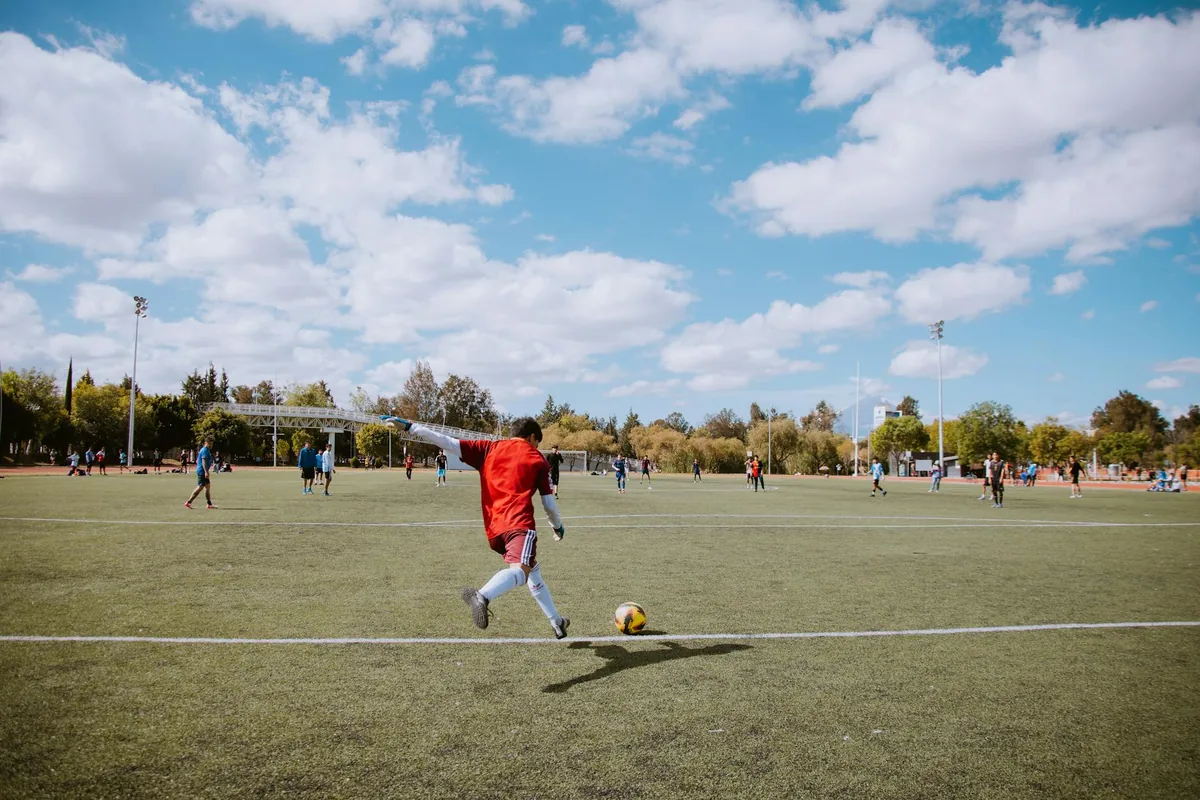
Chelsea Counter-Attacking Strategies: A Blueprint for Speed and Precision
Chelsea's tactical identity has long been intertwined with devastatingly effective counter-attacking football. From the ruthless efficiency of José Mourinho's first era to the lightning transitions under Antonio Conte, the ability to turn defense into attack in the blink of an eye has delivered countless memorable goals and trophies. In the modern game, this strategy remains a vital weapon, especially against possession-dominant opponents. This analysis breaks down the key components, personnel, and execution of Chelsea's counter-attacking strategies, examining how speed and precision are engineered on the pitch.
The Philosophical Foundation: From Defense to Attack in Seconds
At its core, a successful counter-attack is a coordinated sprint from a defensive structure to a goalscoring opportunity, exploiting the disorganized state of an opponent committed forward. For Chelsea, this isn't merely a reactive tactic; it's a proactive system built on specific triggers, player roles, and spatial awareness. The philosophy hinges on absorbing pressure intelligently, winning the ball in advantageous areas, and then releasing it with vertical intent. The modern iteration under managers like Mauricio Pochettino emphasizes not just long balls over the top, but rapid, incisive passing combinations through the lines, leveraging the youthful pace that defines the current Chelsea FC current squad.
Key Phases of a Chelsea Counter-Attack
Breaking down the process reveals the meticulous planning behind what appears as spontaneous brilliance.
1. The Defensive Trigger and Ball Recovery
Everything begins without the ball. Chelsea's defensive shape, often a compact mid or low block, is designed to funnel opponents into areas where turnovers are most dangerous. The pressing triggers—such as a pass to a full-back under pressure or a receiving midfielder facing his own goal—signal the moment to pounce. The aim is to win the ball in the middle or defensive third, ideally through interceptions rather than tackles, to maintain immediate momentum. The composition of the Chelsea's defensive unit is crucial here, requiring center-backs with the anticipation to step in and midfielders with the agility to close down spaces.
2. The Immediate First Action and Verticality
The first pass after regaining possession is arguably the most critical. The player winning the ball must instantly identify the most progressive passing lane. This often bypasses the midfield entirely, targeting a runner in space or a forward who can hold and link play. Goalkeepers like Robert Sánchez and Đorđe Petrović, analyzed in our Chelsea goalkeeper depth chart analysis, are integral here, acting as sweepers and distributors to launch attacks with quick throws or long passes. The emphasis is always on moving the ball forward with minimal touches, rejecting the safe sideways pass in favor of riskier vertical options.
3. Movement, Width, and Support Runs
As the ball travels forward, synchronized movement is non-negotiable. Wide players, typically the wingers or attacking full-backs, immediately stretch the pitch by hugging the touchlines, pinning back recovering defenders. The central striker, whether a physical presence or a pacey forward, makes diagonal runs to pull defenders apart. Meanwhile, supporting midfielders embark on lung-busting runs from deep to offer a central option or create overloads. The speed of these coordinated runs, often from players like Raheem Sterling, Mykhailo Mudryk, and Nicolas Jackson, is what transforms a hopeful clearance into a clear-cut chance.
4. The Final Decision: Composure in the Chaos
The final phase separates good counter-attacks from great ones. Arriving in the opponent's penalty area at high speed, players must exhibit technical composure. The decision-making—whether to shoot early, square for a tap-in, or cut back—must be instinctive and precise. This is where the technical quality of Chelsea's attacking options is tested. Finishing under pressure, weighted through balls, and unselfish decision-making are the hallmarks of a clinically executed counter.
Personnel: The Engine Room of the Fast Break
Certain player profiles are essential for this system to fire. Pace is the obvious prerequisite, but football intelligence is equally vital.
- Pacey Wingers & Forwards: Players like Mudryk, Sterling, and Noni Madueke provide the explosive speed to exploit vast spaces behind high defensive lines. Their direct running is the primary outlet.
- Midfield Destroyers & Distributors: A player like Moisés Caicedo is pivotal. His role is to break up play and instantly play the penetrating pass. His partnership with a more creative midfielder, as explored in our midfield balance analysis, dictates the speed of transition.
- Ball-Playing Defenders & Goalkeepers: The initiation often starts from the back. Defenders like Levi Colwill and Thiago Silva must have the passing range to find runners, while the goalkeeper must be an adept distributor.
- Intelligent Full-Backs/Wing-Backs: Players such as Reece James (when fit) and Marc Cucurella offer overlapping width or underlapping runs, providing crucial passing options and overloading the final third. Their role is detailed further in our attacking fullbacks analysis.
Tactical Variations and Modern Adaptations
Counter-attacking is not a monolithic concept. Chelsea has employed different models:
- The Direct Route One: Utilizing a physical striker to win long balls, with supporting runners feeding off the second ball. A more traditional, but still effective, approach against certain sides.
- The Channel Exploitation: Using the pace of wingers to run onto through balls played into the space between the opponent's center-back and full-back, a common tactic against teams using a high defensive line.
- The Central Combination: Involving a technically gifted attacking midfielder (like Cole Palmer) as a "connector" in the middle third, who receives the initial outlet pass and then slides in the final through ball with defense-splitting precision.
The modern game also demands counter-attacks to be launched from set-pieces, both defensive and offensive. After defending a corner, for instance, Chelsea will often leave two or three players high up the pitch, ready to spring into action the moment the ball is cleared.
Challenges and Counter-Measures
While potent, reliance on counter-attacks presents challenges. Opponents who refuse to commit men forward can nullify the space required. Teams like Manchester City often deploy a tactical "counter-press" (gegenpressing) immediately after losing the ball to disrupt the transition at its source. To combat this, Chelsea's players must improve their possession retention and press resistance, using quick one-touch passing and smart movement to evade the initial press and then exploit the even larger spaces that appear behind a failed counter-press.
Furthermore, the strategy demands immense physical conditioning and discipline. Players must constantly switch from concentrated defensive work to all-out attacking sprints, a cycle that can lead to fatigue if not managed correctly, highlighting the importance of the club's injury prevention and recovery strategies.
Historical Context and Future Evolution
Chelsea's history is rich with counter-attacking masterclasses. Didier Drogba holding up the ball and releasing Frank Lampard, or Eden Hazard embarking on mesmerizing solo runs from deep, are iconic examples. Today, the blend of youth and speed in the squad suggests the counter-attack will remain a cornerstone of Chelsea's tactical approach.
The future evolution may see even greater integration of data analytics to identify pressing triggers and optimal passing lanes. The development of Chelsea academy prospects who are drilled in these transitional principles from a young age will also be key to sustaining this identity. As the Premier League's tactical landscape evolves, with many teams adopting possession-based styles, Chelsea's ability to perfect the art of the fast break could be their most potent weapon in the biggest matches.
For further reading on the technical and tactical components of transition play, the professional coaching resources available at UEFA's Training Ground offer valuable insights. Additionally, detailed statistical analyses of counter-attacking effectiveness across European football can be found through studies published by The Athletic's football section.