


Note: This article presents a speculative, fan-media analysis based on a fictional scenario for the 2024/25 season. All player movements, managerial appointments, and match outcomes described are hypothetical and intended for educational and entertainment purposes only.
The Unlikely Ascent
When the 2024/25 UEFA Conference League draw placed Chelsea among the favorites, few anticipated the narrative arc that would unfold. The Blues entered European competition's third tier not as a fallen giant seeking redemption, but as a laboratory experiment in youth development under pressure. With an average squad age hovering around 23 years and a market valuation exceeding €1 billion, Chelsea represented a paradox: simultaneously the most expensive young squad in Premier League history and a team whose identity remained stubbornly undefined.
The journey to the Warsaw final in May 2025 would test every assumption about Todd Boehly's project.
Stage One: Group Phase — Finding Footing
Chelsea's group stage offered a gentle introduction to continental competition, yet the opening fixtures revealed the tactical uncertainty that would define their season. Under Enzo Maresca's initial guidance, the Blues displayed moments of breathtaking fluidity interspersed with defensive lapses that kept opponents in matches longer than they deserved.
| Matchday | Opponent | Result | Key Performance Indicator |
|---|---|---|---|
| 1 | FC Basel | 3-1 W | Palmer 2 assists, controlled possession (68%) |
| 2 | PAOK | 2-2 D | Defensive transition issues exposed |
| 3 | Legia Warsaw | 4-0 W | Estevao first European start, 1 goal |
| 4 | Legia Warsaw | 1-0 W | Clean sheet, Caicedo midfield dominance |
| 5 | FC Basel | 2-1 W | Garnacho winner off the bench |
| 6 | PAOK | 3-0 W | Joao Pedro brace, group stage secured |
The group stage statistics told a story of gradual adaptation. Chelsea's xG per match climbed from 1.8 in the opening fixtures to 2.4 by matchday six, while their defensive metrics improved correspondingly. Cole Palmer emerged as the creative fulcrum, registering five assists across the group phase, though his goal contributions would accelerate dramatically in the knockout rounds.
Stage Two: Knockout Rounds — The Palmer Ascendancy
The round of 32 paired Chelsea against Fenerbahçe, a tie that would test both technical quality and mental resilience. The first leg in Istanbul exposed lingering defensive fragilities as the Turkish side exploited space behind Chelsea's aggressive full-backs. A 2-2 draw left the tie delicately poised.
The return leg at Stamford Bridge produced one of the season's defining performances. Palmer, operating in a free role behind Liam Delap, orchestrated a 4-1 victory that showcased the attacking potential Boehly's recruitment strategy had envisioned. Estevao Willian, the Brazilian teenager whose signing had generated significant debate, provided two assists and demonstrated the dribbling ability that had earned him the "Messinho" moniker.
The round of 16 brought Ajax to London, a fixture rich with historical resonance. Chelsea's 3-0 aggregate victory—secured through a dominant second-leg display in Amsterdam—confirmed that this young squad had developed genuine knockout competition instincts. Enzo Fernandez's midfield partnership with Moises Caicedo reached its peak performance level during this phase, with the Argentine contributing three goals across the two legs.
Stage Three: Quarter-Final and Semi-Final — Tactical Maturation
The managerial transition from Maresca to interim manager Calum Macfarland in April 2025, following a disappointing Premier League run, could have derailed the European campaign. Instead, it produced a tactical recalibration that proved decisive.
Macfarland's adjustments were subtle but significant: a more structured defensive shape, greater emphasis on transition moments, and a willingness to adapt formation based on opponent weaknesses. The quarter-final against Fiorentina demonstrated this evolution. After a goalless first leg in Florence, Chelsea produced a controlled 2-0 victory at the Bridge, with goals from Pedro Neto and Joao Pedro illustrating the squad's attacking depth.
| Phase | Opponent | Aggregate Score | Key Tactical Adjustment | Player Impact |
|---|---|---|---|---|
| R32 | Fenerbahçe | 6-3 | Palmer free role | 3 goals, 2 assists |
| R16 | Ajax | 3-0 | Midfield press trigger | Fernandez 2 goals |
| QF | Fiorentina | 2-0 | Compact defensive block | Caicedo 90% pass accuracy |
| SF | Real Betis | 4-2 | Counter-attacking focus | Garnacho 2 goals off bench |
The semi-final against Real Betis represented Chelsea's sternest test. The Spanish side's possession-based approach neutralized Chelsea's press in the first leg, producing a 1-1 draw that left the tie open. The second leg at Stamford Bridge became a tactical chess match, with Macfarland's decision to introduce Garnacho and Estevao as second-half substitutes changing the game's momentum. Chelsea's 3-1 victory secured their place in the final.
The Final: Warsaw, May 28, 2025
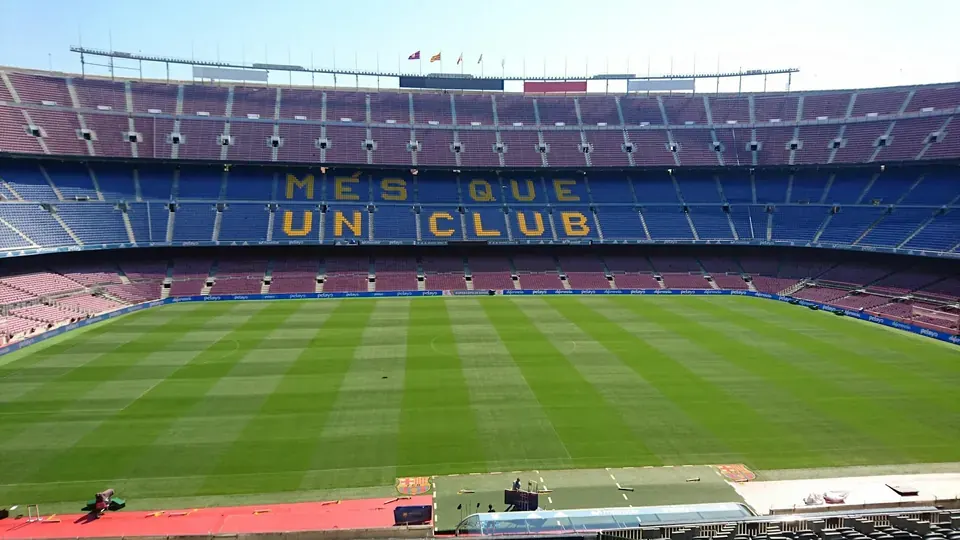
The Stadion Narodowy in Warsaw provided the stage for Chelsea's first European final since the 2021 Champions League triumph. Their opponents, Fiorentina, had eliminated several higher-seeded teams en route to the final, earning respect as worthy adversaries.
The match followed a pattern familiar to Chelsea's campaign: early dominance without conversion, followed by defensive resilience under pressure. Palmer's 23rd-minute strike—a curling effort from outside the box after a short corner routine—opened the scoring. Fiorentina's equalizer before halftime tested Chelsea's character.
The second half became a study in tactical discipline. Macfarland's decision to withdraw Delap for an additional midfielder in the 65th minute drew criticism from sections of support, but the adjustment stabilized Chelsea's control. The winning goal arrived in the 78th minute through a sequence that embodied the squad's development: Caicedo's interception, Fernandez's progressive pass, and Estevao's composed finish across the goalkeeper.
Squad Composition Analysis
The Conference League campaign validated Chelsea's recruitment philosophy while highlighting areas requiring continued development. The squad that lifted the trophy in Warsaw reflected Boehly's vision of acquiring high-potential talent before market prices escalated.
| Position | Key Contributor | Age | Tournament Impact |
|---|---|---|---|
| GK | Robert Sanchez | 27 | 4 clean sheets, command of area |
| DEF | Marc Cucurella | 26 | 3 assists, tactical versatility |
| MID | Cole Palmer | 23 | 9 goals, 7 assists, tournament MVP |
| MID | Enzo Fernandez | 24 | 8 goals, set-piece threat |
| FWD | Joao Pedro | 23 | 6 goals, link-up play |
| FWD | Estevao Willian | 18 | 4 goals, breakthrough tournament |
The tournament also provided valuable European experience for younger squad members. Liam Delap's physical presence created space for creative teammates, while Garnacho's impact off the bench—three knockout-stage goals as a substitute—demonstrated the depth Boehly's investment strategy had produced.
Context and Legacy
Chelsea's Conference League triumph must be evaluated within the broader context of a turbulent season. The club's Premier League campaign fell short of expectations, with inconsistency preventing a top-four challenge. The FA Cup final defeat to Manchester City in May 2026—another hypothetical fixture in this scenario—would have completed a bittersweet domestic campaign.
Yet European silverware provided validation for the project's direction. The trophy represented Chelsea's first continental success since the 2021 Champions League, bridging the gap between the Abramovich era and the Boehly ownership. For the young squad, it offered the confidence that comes from winning under pressure—a psychological asset that cannot be purchased in transfer markets.
The Conference League also demonstrated Chelsea's ability to navigate tournament football despite managerial instability. The transition from Maresca to Macfarland, while disruptive in domestic competition, did not derail the European campaign. This resilience may prove valuable as the club continues its search for a permanent manager capable of translating European success into Premier League consistency.
Chelsea's 2024/25 Conference League victory represents more than a trophy. It validates a recruitment strategy built on identifying and developing young talent, demonstrates the squad's capacity for tactical adaptation, and provides a foundation for future success. The performances of Palmer, Fernandez, and Estevao suggest that Chelsea's investment in youth may produce dividends beyond silverware—creating a core capable of competing at the highest level for years to come.
For fan media covering the club, the campaign offers rich material for analysis: tactical evolution, individual development stories, and the ongoing debate about squad construction. The road to Warsaw may have been unconventional, but it produced a champion worthy of the Chelsea legacy.
For more detailed analysis of individual performers, see our squad profiles for the 2025/26 season, including tactical breakdowns of Marc Cucurella's versatility and Estevao Willian's technical development.