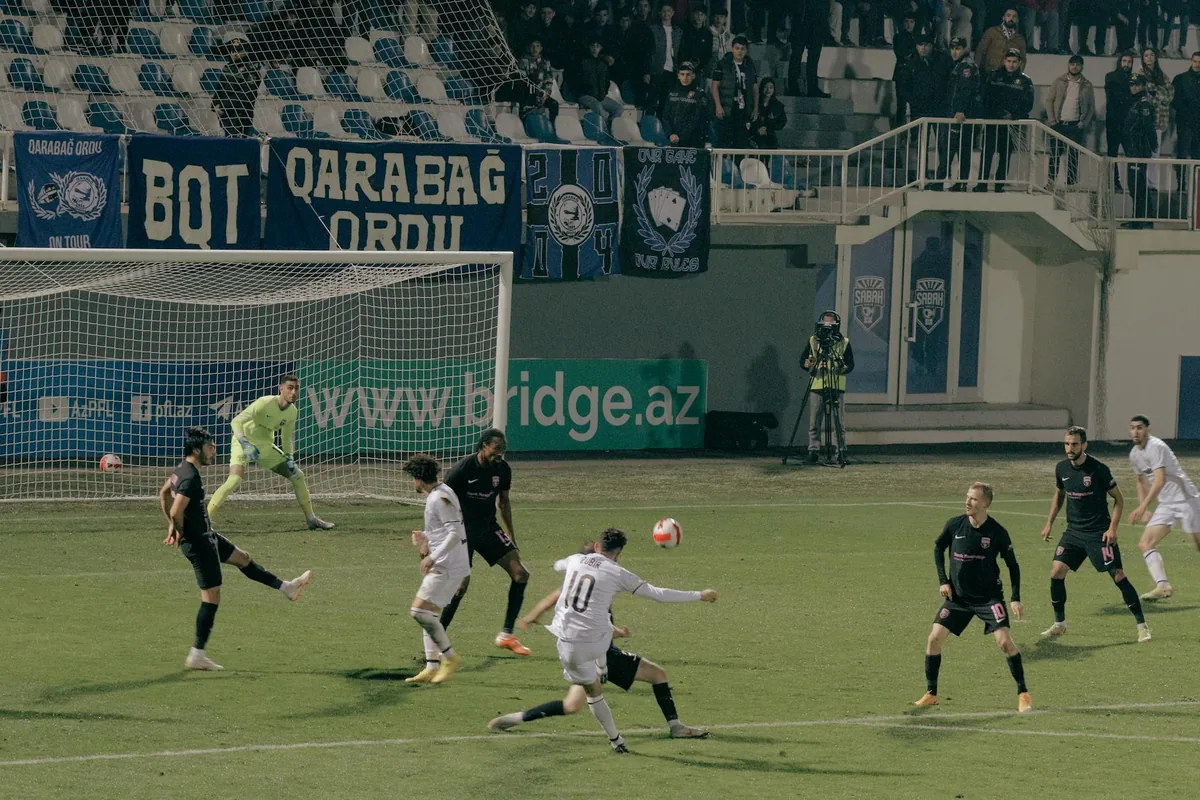
Chelsea Attacking Fullbacks: Role Analysis and Impact
The modern fullback is no longer a purely defensive figure. At Chelsea, the role has evolved into one of the most tactically demanding and influential positions on the pitch. Under the current tactical system, Chelsea's attacking fullbacks are fundamental to both the team's offensive width and its defensive stability, acting as auxiliary wingers, creative outlets, and crucial recovery defenders. This analysis breaks down their multifaceted role and quantifies their impact on Chelsea's overall play.
The Evolution of the Role at Stamford Bridge
Chelsea's history is punctuated by fullbacks who defined eras, from the relentless overlapping of Ashley Cole to the wing-back dynamism of Victor Moses in Antonio Conte's title-winning 3-4-3. Today, the philosophy demands even more. The contemporary Chelsea fullback is expected to provide permanent width in possession, often in a system where wingers drift inside. This stretches opposition defenses, creates crossing lanes, and opens central channels for midfield runners. Defensively, they must cover vast spaces on the counter-attack, requiring exceptional athleticism and tactical intelligence. This evolution reflects broader Premier League tactical trends, where fullbacks are increasingly key playmakers.
Key Responsibilities in the Current System
- Providing Width: In settled possession, they hug the touchline, forcing the opposition to defend the full width of the pitch and preventing defensive compaction.
- Overlapping and Underlapping Runs: They must time their bursts beyond the winger or midfielder to receive cut-backs or deliver crosses, a skill requiring perfect synchronization with the Chelsea attacking options ahead of them.
- Inverted Possession Contributions: Some are tasked with moving infield to add numerical superiority in midfield, aiding Chelsea's possession game and build-up play.
- Defensive Recovery: Their pace is critical in transition, as they are often the primary defenders against opposition wingers in one-on-one situations.
Squad Analysis: The Current Contingent
Chelsea's squad boasts a diverse array of talents for the fullback roles, each offering a different profile. Understanding these profiles is essential to analyzing the team's tactical flexibility.
Reece James: The Archetypal Modern Fullback
When fit, Reece James is the benchmark. His combination of powerful defending, pinpoint crossing, and surprising goal threat from range makes him a unique weapon. He is arguably the team's most creative outlet from deep, capable of dictating play on the right flank. His fitness, however, remains a significant concern, impacting Chelsea's tactical consistency. His importance is further detailed in our analysis of Chelsea's key players.
Marc Cucurella & Ben Chilwell: Contrasting Styles on the Left
The left side presents a fascinating contrast. Ben Chilwell is the classic attacking wing-back, whose signature late-arriving runs into the box are a potent goal threat. Marc Cucurella, meanwhile, offers greater technical security in build-up, often inverting into midfield to progress the ball. His tenacious pressing and defensive intensity also provide a different kind of stability. The choice between them often depends on the opponent and the desired midfield balance.
Malo Gusto & Emerging Depth
Malo Gusto has emerged as a more than capable deputy for Reece James, showcasing similar attacking verve with blistering pace. His development highlights the importance of squad depth in such a physically demanding role. The club's long-term planning in this area can be seen in the context of the broader Chelsea squad depth chart, where fullback is both a position of strength and vulnerability due to injury proneness.
Tactical Impact and Statistical Contribution
The output of Chelsea's fullbacks is not merely aesthetic; it is quantifiable. They are consistently among the team's leaders in key attacking metrics:
- Chance Creation: They frequently top the charts for crosses into the penalty area and key passes, underlining their role as primary creators.
- Progressive Ball Carrying: Their ability to drive forward with the ball from deep zones is crucial for breaking defensive lines and relieving pressure.
- Defensive Actions: Despite their offensive duties, they are required to make a high volume of tackles and interceptions, often in advanced areas to trigger the press.
This dual requirement is what makes the role so challenging. A drop in offensive output can stagnate Chelsea's attack, while a defensive lapse can expose the entire structure. Their performance is a reliable barometer for the team's overall effectiveness, a trend tracked in our Chelsea player form analysis.
Challenges and Future Considerations
The primary challenge is sustainability. The physical demands of the role, combined with a congested fixture schedule, lead to a high risk of injury. Managing player workload through rotation is paramount, yet consistency in partnerships is also key to defensive solidity. Furthermore, as opponents adapt by locking down the flanks, Chelsea's fullbacks and coaching staff must innovate—perhaps through more underlapping runs or varied crossing patterns—to maintain their offensive impact.
The future of the position at Chelsea will also be influenced by the club's famed academy. Prospects like Leo Castledine or Josh Acheampong may eventually see pathways, as discussed in Chelsea academy prospects analysis, but the immediate focus is on maximizing the world-class potential within the current squad. For further reading on the global evolution of the position, resources like TheMastermindSite offer excellent tactical deep dives, while the official Premier League statistics page provides the raw data on player contributions.
In conclusion, Chelsea's attacking fullbacks are not just supporting actors; they are central protagonists in the team's tactical narrative. Their unique blend of athleticism, technical skill, and tactical IQ is essential for unlocking defenses and providing defensive security. As Chelsea continues to build and evolve, the performance and fitness of these players will remain one of the most decisive factors in the pursuit of success.