

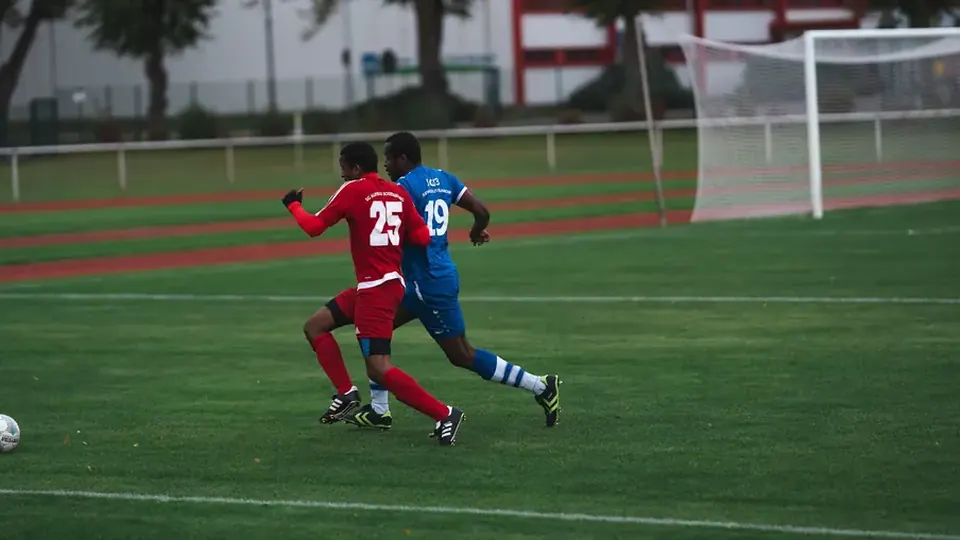
The Chelsea Academy, widely known as Cobham, has long been the lifeblood of the club’s identity, producing a steady stream of first-team players and generating significant transfer revenue. For the 2025/26 season, amidst a squad with an average age of 23 and a market value exceeding €1 billion, the pathway from youth to senior football remains a central pillar of the club’s strategy under the Todd Boehly ownership. This glossary defines the key terms, concepts, and player archetypes associated with Chelsea’s academy graduates and the next generation of talent breaking into the first-team picture.
Academy Graduate
A player who has progressed through Chelsea’s youth system, typically joining the club at Under-9 level or through the youth development programme at Cobham. Graduates are classified as “homegrown” under Premier League and UEFA regulations, fulfilling squad registration requirements. For the 2025/26 season, graduates such as Levi Colwill and Reece James represent the gold standard of this pathway, having transitioned from academy prodigies to established senior internationals.
Cobham
The club’s state-of-the-art training complex in Surrey, which serves as the operational hub for both the first team and the academy. Cobham is synonymous with Chelsea’s youth development philosophy, housing multiple age-group teams from Under-9s to Under-21s. The facility is designed to replicate the demands of senior football, with identical pitch dimensions, gymnasiums, and recovery areas. Its reputation as a talent factory stems from a curriculum that emphasises technical proficiency, tactical adaptability, and a high-pressing style that aligns with the first team’s identity.
Loan Army
The colloquial term for Chelsea’s extensive network of loan placements, historically involving dozens of academy players sent to clubs across Europe and the EFL. While the approach has been refined under the current board to reduce squad bloat, it remains a key developmental tool for the 2025/26 cycle. Players like Omari Hutchinson (Ipswich Town) and Ian Maatsen (Aston Villa) have successfully used loans to build senior experience before either returning to compete for a first-team spot or generating significant transfer fees. The strategy is designed to provide competitive minutes that Cobham’s Under-21 league cannot always offer.
Youth Development Phase (YDP)
The structured age-group curriculum at Chelsea’s academy, spanning from Under-9 to Under-16. This phase focuses on individual technical development, small-sided games, and instilling the club’s core playing principles. Coaches at this level are tasked with identifying and nurturing raw talent, with a strong emphasis on ball mastery, decision-making under pressure, and positional awareness. The YDP is the foundation upon which later tactical specialisation is built, and its success is measured by the number of players progressing to the professional development phase.
Professional Development Phase (PDP)
The age-group stage covering Under-17 to Under-21, where players transition from youth football to the brink of senior involvement. At Chelsea, the PDP is closely aligned with the first team’s tactical framework, with players expected to understand formations, pressing triggers, and positional rotations used by the senior side. The Under-21 team competes in the Premier League 2 and occasionally the EFL Trophy, providing a bridge between academy football and the demands of professional competition. Graduates from this phase, such as Tyrique George or Michael Golding, are often fast-tracked into first-team training.
Homegrown Player Status
A regulatory classification under Premier League rules, defining a player as “homegrown” if they have been registered with any English or Welsh club for at least three full seasons before their 21st birthday. For Chelsea, this status is critical for squad registration, as clubs must name at least eight homegrown players in their 25-man Premier League squad. Academy graduates automatically satisfy this requirement, giving the club flexibility in the transfer market. Players like Conor Gallagher (if still at the club) or Reece James are prime examples of homegrown talent that also command significant market value.
First-Team Pathway
The structured route from the academy to the senior squad, which at Chelsea has historically been a contentious topic. For the 2025/26 season, the pathway has become more defined under the current technical staff, with a clear emphasis on integrating young talent into matchday squads. The pathway typically involves training with the first team, making substitute appearances in cup competitions (EFL Cup, FA Cup), and gradually accumulating Premier League minutes. The temporary management of Calum Macfarland has placed a premium on this integration, with several academy players expected to feature in the first-team rotation.
Under-21 Premier League
The primary competitive league for Chelsea’s development squad, featuring fixtures against other Premier League academies. This competition is designed to replicate senior football’s intensity and tactical demands, with matches often played at Stamford Bridge or Cobham. For the 2025/26 season, the Under-21 league serves as a proving ground for players on the cusp of the first team, with standout performers earning call-ups to training or matchday squads. The league also provides a platform for returning loanees to regain match fitness.
EFL Trophy
A knockout competition featuring teams from League One, League Two, and invited Under-21 sides from Premier League academies. Chelsea’s Under-21 team participates in this tournament to expose young players to senior, competitive football against professional lower-league opposition. The physicality and tactical maturity required in the EFL Trophy are considered a crucial step in a player’s development, often revealing which academy talents are ready for senior football. Performances in this competition have historically fast-tracked players like Mason Mount into first-team contention.
Academy Player Contract
The standard contractual arrangement for youth players at Chelsea, typically lasting from age 9 to 17, followed by a scholarship agreement and eventually a professional contract at age 17. These contracts are governed by Premier League and FA regulations, with fixed compensation structures and training compensation payable to other clubs if a player is signed from another academy. For the 2025/26 season, Chelsea has aggressively secured long-term professional contracts for its most promising talents, reflecting the club’s commitment to retaining homegrown assets.
Technical Director (Academy)
The senior executive overseeing the academy’s philosophy, recruitment, and alignment with the first team. At Chelsea, this role has been pivotal in bridging the gap between youth development and senior squad planning. The technical director ensures that coaching methodologies, playing style, and talent identification criteria are consistent from the Under-9s to the first team. For the 2025/26 season, this role has been instrumental in integrating academy graduates into a squad with a high proportion of expensive senior signings.
Youth Recruitment Network
The scouting infrastructure responsible for identifying and signing the most talented young players, often from other academies or grassroots football. Chelsea’s network is among the most extensive in English football, with scouts covering the UK, Europe, and South America. The club has faced criticism for “poaching” young talent, but the network remains a vital source of future graduates. For the 2025/26 season, recruitment has focused on technically gifted players who fit the club’s high-pressing, possession-based system.

Scholarship Agreement
The formal contract offered to academy players upon turning 16, typically lasting two years until age 18. This agreement provides educational support, accommodation, and a structured football development programme. At Chelsea, scholarship players train full-time at Cobham while completing their education. The scholarship phase is the final filter before a professional contract is offered, and it is during this period that players are most likely to be released or retained.
Professional Contract
The first full-time, paid contract offered to an academy player, typically at age 17 or 18. At Chelsea, professional contracts are often long-term (three to five years) to protect the club’s investment and secure the player’s future. The terms include base salary, performance bonuses, and potential sell-on clauses. For the 2025/26 season, several academy graduates have signed professional contracts with first-team pathway guarantees, reflecting the club’s renewed focus on youth integration.
Release Clause
A contractual provision allowing a player to leave the club upon payment of a specified fee, often included in professional contracts for high-potential academy graduates. At Chelsea, release clauses are typically set at a level that reflects the player’s perceived value and potential, deterring lowball offers while providing a clear exit route. For the 2025/26 season, the club has been careful to avoid excessively low release clauses that could allow key academy talents to depart cheaply.
Sell-On Clause
A contractual term ensuring the selling club receives a percentage of any future transfer fee when a player is sold by the buying club. For Chelsea, sell-on clauses are a standard component of academy graduate sales, allowing the club to benefit from player development even after departure. Players like Declan Rice (West Ham) or Tammy Abraham (Roma) have generated significant sell-on income for the club. For the 2025/26 season, sell-on clauses remain a key revenue stream from the loan army and academy sales.
Buy-Back Clause
A contractual option allowing Chelsea to repurchase a former academy graduate at a predetermined price, typically included in sales to other Premier League or European clubs. This clause gives the club a strategic advantage, enabling them to cash in on a player while retaining the right to bring them back if they fulfil their potential. For the 2025/26 season, buy-back clauses have been included in several academy graduate sales, providing a safety net for the club’s long-term planning.
Academy Player of the Year
An annual award presented to the most outstanding performer across Chelsea’s youth teams, recognising technical ability, consistency, and professionalism. The award is often a strong indicator of future first-team potential, with previous winners including Mason Mount, Reece James, and Conor Gallagher. For the 2025/26 season, the award has been won by a player widely tipped to break into the first-team squad within the next 12 months.
UEFA Youth League
A European competition for Under-19 teams from clubs qualified for the UEFA Champions League. Chelsea’s Under-19 team has historically performed strongly in this tournament, with victories in 2015 and 2016. The Youth League provides a high-level competitive environment against Europe’s best academies, testing players against different tactical systems and cultural approaches to football. For the 2025/26 season, participation in this competition is a key marker of a player’s readiness for senior European football.
FA Youth Cup
The premier domestic knockout competition for Under-18 teams in England, with Chelsea being one of the most successful clubs in its history. Winning the FA Youth Cup is a significant achievement for an academy cohort, often signalling a ‘golden generation’ of talent. The 2025/26 competition has seen Chelsea’s Under-18s progress deep into the tournament, with several players attracting attention from first-team staff.
Development Squad
The term often used interchangeably with the Under-21 team, referring to the group of players who are too old for youth football but not yet regulars in the first team. Chelsea’s development squad includes academy graduates, returning loanees, and young senior signings who require adaptation time. For the 2025/26 season, this squad has been trimmed to focus on players with a realistic pathway to the first team, reducing the historical bloating of the loan army.
First-Team Integration Coach
A specialised coaching role focused on bridging the gap between the academy and the senior squad. This coach works individually with young players on tactical understanding, physical preparation, and mental resilience, ensuring they are ready for the demands of Premier League football. For the 2025/26 season, this role has been expanded under Calum Macfarland’s interim management, with a clear emphasis on accelerating the development of academy talents.
What to Verify
When evaluating claims about Chelsea’s academy graduates for the 2025/26 season, it is essential to verify player contract status and first-team involvement through official club announcements and matchday squad lists. Transfer rumours regarding academy players should be cross-referenced with reliable football journalism sources, as speculative reports often precede official confirmations. The club’s official website and the Premier League’s registration database provide authoritative information on homegrown status and squad composition.