


The 2016/17 Premier League season stands as a defining chapter in Chelsea Football Club’s modern history, a campaign that not only delivered a fifth top-flight title but also cemented Antonio Conte’s reputation as one of the most tactically astute managers of his generation. Arriving at Stamford Bridge in the summer of 2016, Conte inherited a squad that had finished tenth in the previous season under José Mourinho and interim manager Guus Hiddink—a humbling fall from grace for the defending champions. Within twelve months, the Italian had orchestrated a remarkable transformation, blending tactical innovation with psychological reinvigoration to produce a team that dominated English football. This article examines the key elements of that title-winning season, from the formation shift that changed everything to the individual performances that defined a campaign of redemption.
The Context: A Club in Transition
Chelsea’s 2015/16 season was a study in dysfunction. The club’s title defence collapsed amid internal discord, poor results, and Mourinho’s dismissal in December. The squad, though talented, appeared fractured, with senior players reportedly at odds with the manager. The appointment of Conte—a manager known for his intensity, tactical discipline, and success with Juventus and the Italian national team—represented a deliberate move toward structural reform. The club’s hierarchy, led by then-owner Roman Abramovich, sought a figure capable of restoring order and instilling a winning mentality.
The summer transfer window brought significant changes. N’Golo Kanté arrived from Leicester City for a reported fee of £32 million, a signing that would prove transformative. Michy Batshuayi joined from Marseille, while David Luiz returned to Chelsea from Paris Saint-Germain in a late-window deal. Departures included Mohamed Salah, who moved to Roma permanently, and John Obi Mikel, whose long association with the club ended. The squad retained key figures from the Mourinho era: Eden Hazard, Diego Costa, Cesc Fàbregas, Thibaut Courtois, and John Terry, though the latter’s role would diminish as the season progressed.
Pre-season results were mixed, and the opening weeks of the campaign offered little indication of the dominance to come. Chelsea won their first three league matches—against West Ham United, Watford, and Burnley—before suffering a humiliating 3–0 defeat at Arsenal on 24 September 2016. That result, coming after a narrow loss to Liverpool, left Chelsea with four points from three matches and raised familiar questions about defensive fragility and tactical coherence. It was, however, the catalyst for Conte’s most significant tactical decision.
The Tactical Revolution: The 3–4–3 Formation
The Arsenal defeat prompted Conte to abandon the 4–1–4–1 formation he had used in pre-season and early matches. In its place, he introduced a 3–4–3 system—a shape he had employed successfully at Juventus but one that was relatively novel in the Premier League at the time. The change was first deployed in a 2–0 win over Hull City on 1 October 2016, but its full impact became apparent in the following weeks.
The 3–4–3 formation provided Chelsea with defensive solidity and attacking flexibility. The back three—typically César Azpilicueta, David Luiz, and Gary Cahill—offered cover against counter-attacks while allowing the wing-backs, Marcos Alonso and Victor Moses, to push forward. The midfield pivot of Kanté and Nemanja Matić disrupted opposition play and provided a platform for the front three. Hazard, Costa, and Pedro operated with freedom, interchanging positions and exploiting spaces created by the wing-backs’ width.
The tactical shift yielded immediate results. Chelsea embarked on a 13-match winning streak from October to December 2016, a run that included victories over Manchester United, Tottenham Hotspur, and Manchester City. The team conceded only two goals during that sequence, a testament to the defensive organisation Conte had instilled. The 3–4–3 system became the template for the season, with opponents struggling to find solutions to its balance of defensive resilience and attacking potency.
Key Performers: The Pillars of the Title
Eden Hazard
Hazard’s 2016/17 season represented a return to his best form after a disappointing previous campaign. The Belgian winger scored 16 goals and provided 6 assists in the Premier League, often delivering decisive contributions in crucial matches. His performance in a 3–1 win over Arsenal in February 2017—where he scored a stunning solo goal—was emblematic of his influence. Hazard’s dribbling, creativity, and ability to draw fouls made him the focal point of Chelsea’s attacking play.
Diego Costa
Costa contributed 20 league goals, his highest tally in a single Premier League season. The Spanish striker’s physical presence, movement, and finishing were central to Chelsea’s attacking structure. His partnership with Hazard was particularly effective, with the pair combining for several key goals. Costa’s form, however, was not without controversy; his relationship with Conte reportedly deteriorated during the season, and he was omitted from the squad for the final weeks of the campaign after a training-ground dispute.
N’Golo Kanté
Kanté’s impact was immediate and profound. The French midfielder, who had been a key figure in Leicester City’s title win the previous season, replicated his influence at Chelsea. His ability to cover ground, win possession, and initiate attacks provided the platform for Chelsea’s success. Kanté’s performances earned him the Premier League Player of the Season award, the PFA Players’ Player of the Year award, and the FWA Footballer of the Year award—a clean sweep of individual honours.
César Azpilicueta
Azpilicueta’s versatility was crucial to the 3–4–3 system. Deployed as the right-sided centre-back, the Spaniard’s defensive intelligence, positioning, and ability to step into midfield allowed Chelsea to maintain compactness while transitioning quickly. His consistency over the season was exceptional, and he was named Chelsea’s Player of the Year by supporters.
The Title Race: A Narrative of Dominance
Chelsea’s title challenge was characterised by sustained consistency rather than a single decisive moment. The 13-match winning streak established a significant points advantage, and the team rarely looked vulnerable thereafter. Key results during the run included a 4–0 victory over Manchester United, a 5–0 demolition of Everton, and a 2–1 win at Manchester City in December 2016.
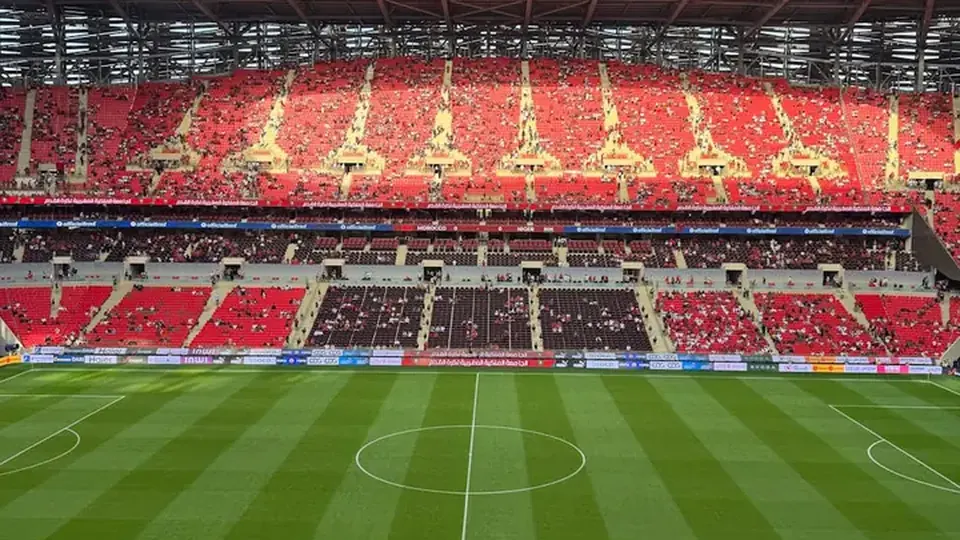
The title was effectively secured in April 2017, when Chelsea defeated Tottenham Hotspur 4–2 in the FA Cup semi-final at Wembley—a result that also dented their rivals’ morale. A 1–0 win over West Bromwich Albion on 12 May 2017 confirmed the championship, with two matches to spare. Chelsea finished the season with 93 points, seven ahead of second-placed Tottenham, having won 30 of their 38 league matches.
The following table summarises key statistical highlights of the 2016/17 season:
| Metric | Value | Rank in League |
|---|---|---|
| Points | 93 | 1st |
| Goals Scored | 85 | 2nd |
| Goals Conceded | 33 | 2nd best |
| Wins | 30 | 1st |
| Losses | 5 | Joint fewest |
| Clean Sheets | 16 | Joint 2nd |
Challenges and Controversies
Despite the success, the season was not without difficulties. Conte’s intense training methods and demanding standards reportedly caused friction with some players, particularly Costa, whose relationship with the manager became strained. The striker’s omission from the squad for the FA Cup final defeat to Arsenal—a 2–1 loss that denied Chelsea a double—highlighted the underlying tensions.
Injuries also tested the squad’s depth. Key players, including Hazard, Courtois, and Matić, missed matches at various points, though the team’s resilience ensured minimal disruption. The January transfer window brought reinforcements in the form of David Luiz’s permanent signing and the arrival of Antonio Rüdiger from Roma, though the latter’s impact was limited to the following season.
The club’s European campaign was less successful. Chelsea were eliminated from the Champions League in the round of 16 by Paris Saint-Germain, losing 4–2 on aggregate. Conte’s focus on domestic competition was evident, and the early European exit arguably aided the title run by reducing fixture congestion.
Legacy and Long-Term Impact
The 2016/17 title was Chelsea’s fifth Premier League crown and second in three seasons. It reaffirmed the club’s ability to rebound from adversity and demonstrated the effectiveness of a manager with a clear tactical vision. Conte’s 3–4–3 system influenced the wider Premier League, with several clubs adopting similar formations in subsequent seasons.
For the club, the title provided a platform for further investment. The following summer saw the arrivals of Álvaro Morata, Tiemoué Bakayoko, and Davide Zappacosta, though these signings did not replicate the success of the previous campaign. Conte’s relationship with the board deteriorated over transfer disagreements, and he departed the club in July 2018 after a fifth-place finish in the 2017/18 season.
The season also highlighted the importance of tactical adaptability in modern football. Conte’s willingness to change formation after early setbacks, his ability to maximise the potential of existing players, and his emphasis on defensive organisation provided a template for future managers at the club. The title remains a testament to the power of a clear tactical identity and a manager’s ability to inspire a squad to exceed expectations.
Antonio Conte’s 2016/17 Premier League title win was a masterclass in tactical reinvention and squad management. From the ashes of a disastrous defence, Chelsea rose to dominate English football with a system that opponents could not solve. The 3–4–3 formation, the contributions of Hazard, Costa, and Kanté, and the resilience of a squad that had been written off by many combined to produce a season of remarkable achievement. While Conte’s tenure at Stamford Bridge would end in acrimony, the 2016/17 campaign remains a high-water mark in the club’s modern history—a reminder of what Chelsea can achieve when tactical clarity meets collective determination.
For a broader perspective on the club’s trajectory, explore our coverage of the Abramovich era Chelsea success, which contextualises this title within the club’s transformative period. Additionally, our history-culture-fan-fpl hub provides further analysis of Chelsea’s defining moments and their impact on the fanbase. For those interested in the club’s current direction, the liam-delap-signing-story offers insight into the modern recruitment philosophy under Todd Boehly’s ownership.